

In this new column called "Valente Solutions" we will detail the conception, design and implementation of some solutions adopted to meet the particular needs of our customers.
Today we'll be travelling down to southern Italy to take a look at the construction of an plant for Clementine oranges.
Let's start from the financial aspects.
Protection of invested capital
Almost all new varieties of clementines are covered by a patent, so our customer bought the plant paying a royalty that authorises it to grow that variety.
The price per plant is generally high (often over €10) so the primary need is to protect the invested capital against hail or other weather events.
Certainty of delivery
Changing distribution dynamics have forced farms that want to have a direct relationship with major retail brands to equip themselves with systems that ensure the certainty of delivery in accordance with the contracted timing and quantities.
Covered land makes it possible to ensure a better programming of the harvest, eliminating gaps of time without any product to deliver. It goes without saying that this becomes an important weapon in the hands of the farmer to finalise the closure of contracts. Let's not forget, moreover, that large groups often charge burdensome penalties to suppliers who don't meet their delivery times, not to mention the risk of contracts not being renewed the following year.
That being said, let's discuss the cultivation requirements and the technical characteristics of the solutions adopted.
Sensitivity to wind and heat
Citrus fruits are generally sensitive to weather events and clementines are no exception.
The plant suffers in strong winds and significant temperature changes, as well as high summer temperatures.
Furthermore, in this case we found that the wind limited the plant's vegetative development only on the side where it blows the most, thus creating a problem of uneven branching.
Solution
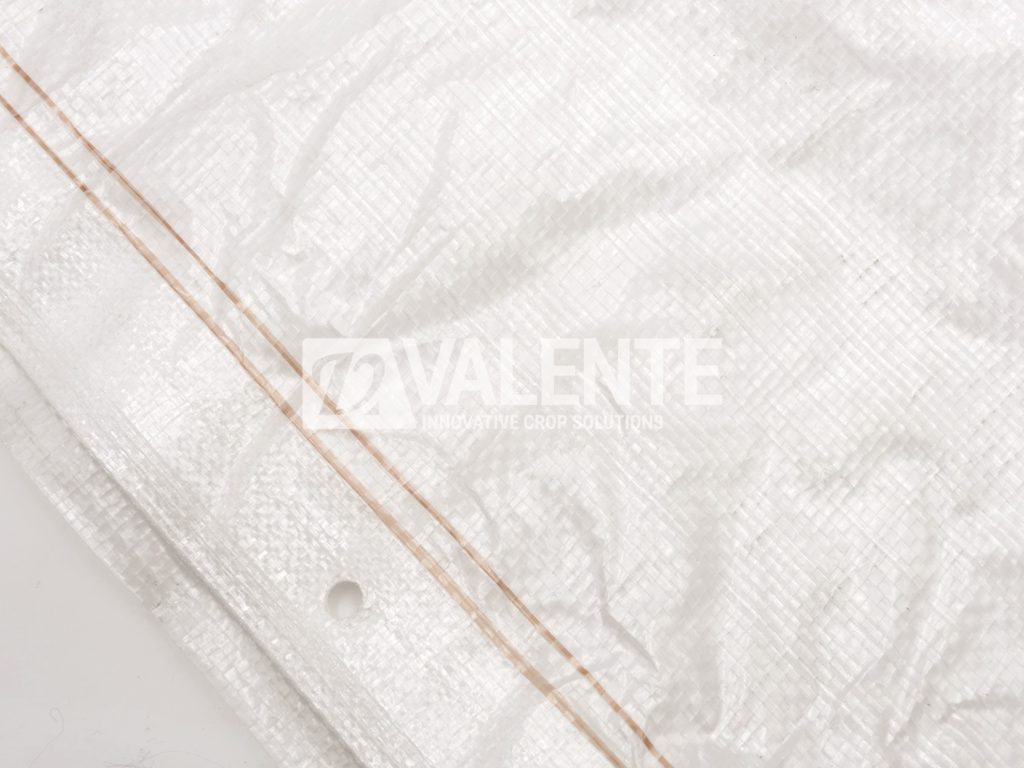
Considering the issues listed above, we chose to use a 30% shading "Anti-Sun" net that creates a cooler micro climate in summer.

Moreover, in order to avoid the problem of wind hitting the plant on its sides (one side in particular), the plant was closed off with a side net, in this case the same type used for the cover since it also performs very well as a windbreaker.
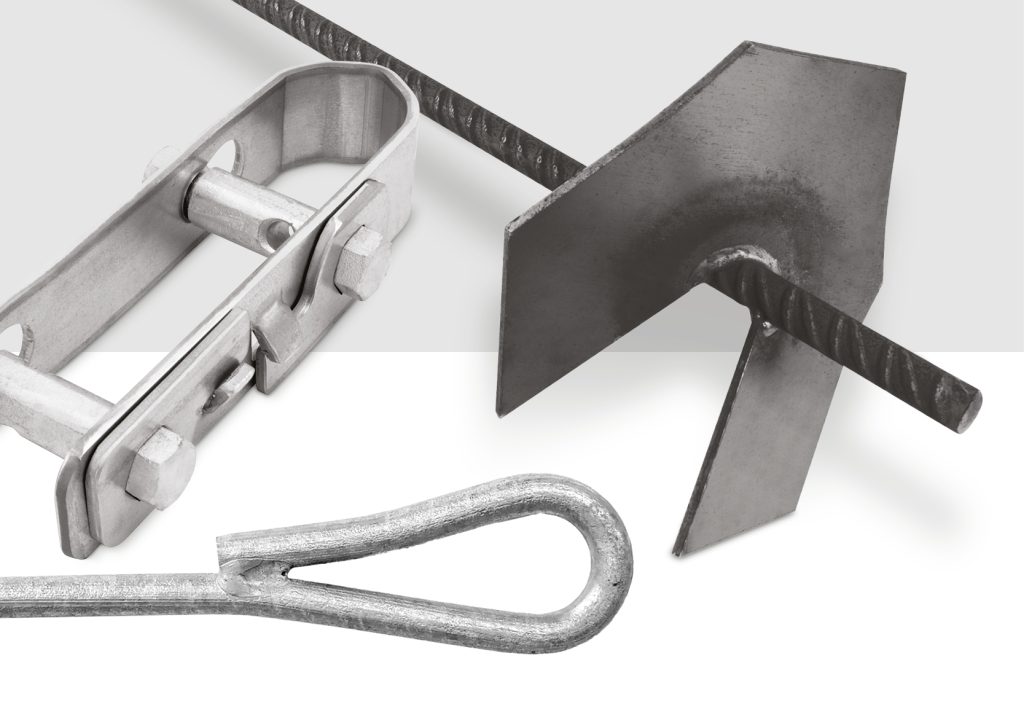
The net was lowered to the ground, securing it on the eyelet cables of the anchors. About 50 cm from the ground a cable was placed and tensioned with the plates.

The structure is installed with a distance between the rows of 5 metres and 6 metres between the posts.
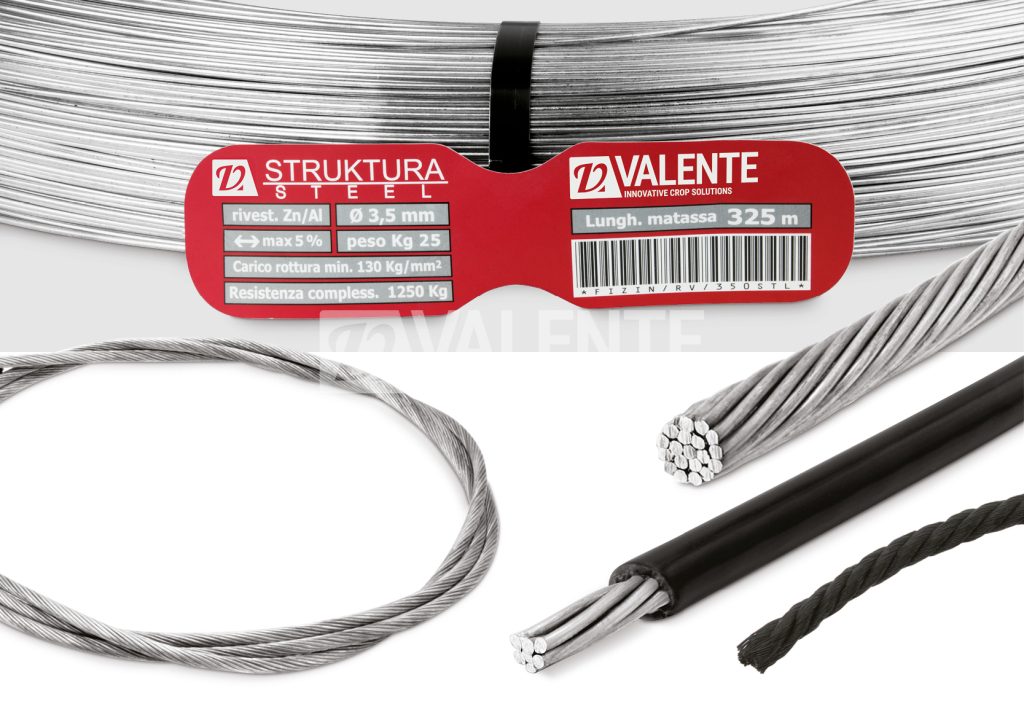
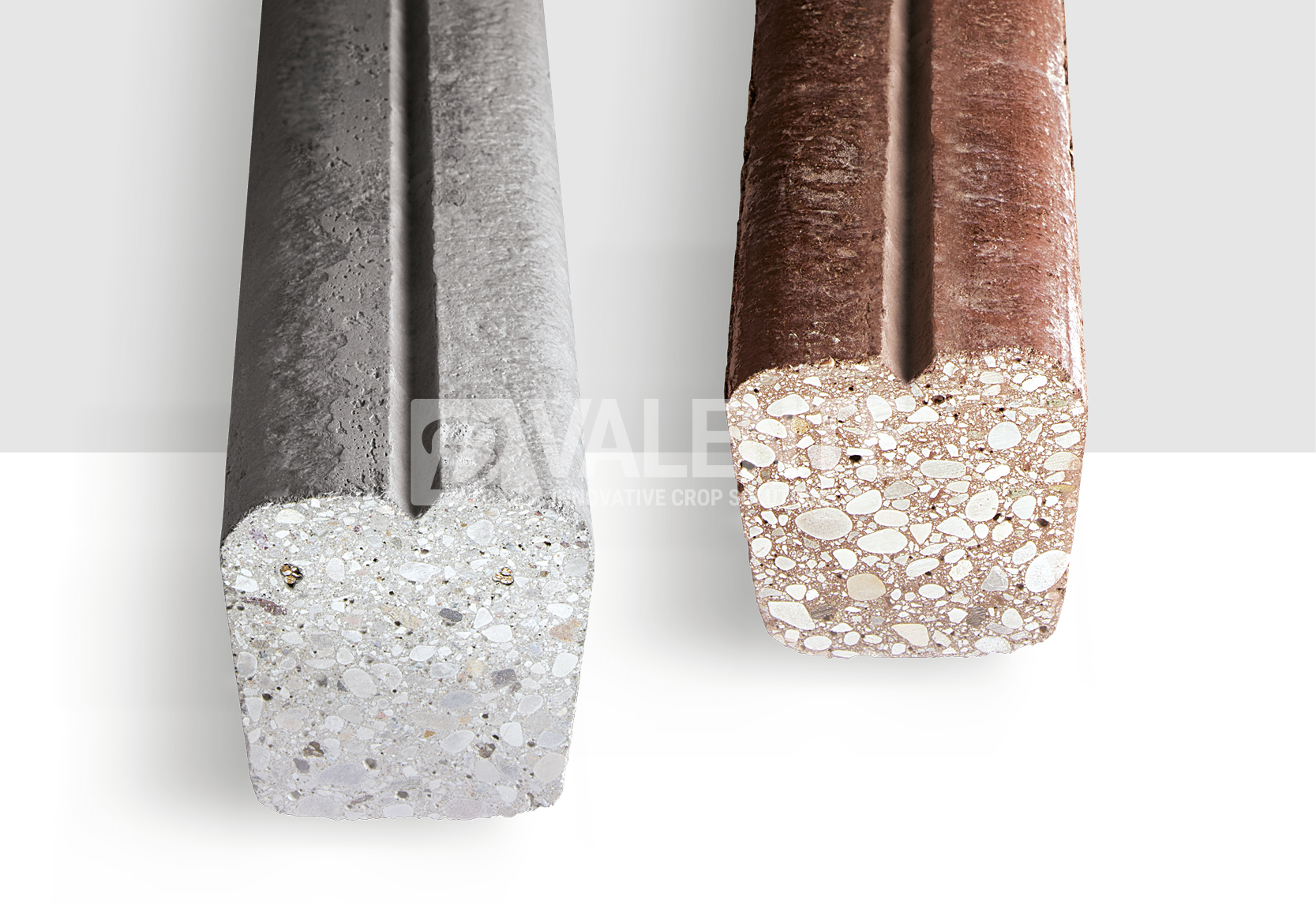
For the headers we used KLASSIC 8x12 cap posts, for the rows KLASSIC 8x8 cap posts, all 5 metres high. The net remains open all year round so the structure is equipped with double anchoring at the head and the side. The structure is reinforced with a system of steel cables, 2 longitudinal and 2 transversal.
Result
Under the cover the plants grow faster and more evenly.

It has been noted that since the third/fourth year the plant produces more and the product has a greater uniformity of size. In addition, the netting blocks part of the fine dust brought by the rain that often deposits on the product's leaves, resulting in a fruit that is clean and therefore more appetising to the final consumer.
In conclusion, we can surely say that a company that invests in this type of cover has the certainty of selling a better product, with the possibility of negotiating higher prices and creating loyal customers thanks to a product that is bigger and more pleasing to the eye.