Green, gold or red: kiwifruit is designed before it is planted
One fruit, many climates: how to choose variety, orchard system and protection to produce quality anywhere.
The kiwifruit boom and orchard conversion
Kiwifruit is increasingly popular with consumers and is attracting many fruit growers. In Italy and abroad, a growing number of farms are converting orchards from other species. A telling example are the pears around Ferrara (Italy), where many growers are switching to Actinidia.
The reasons are clear: rising demand, especially for gold, good profitability and relatively straightforward management once the orchard is established. Growers coming from other species have fruit-growing experience, but often little specific experience with kiwifruit. And the market is increasingly selective: it is not enough to plant kiwifruit, you have to produce quality consistently.
So the first question is not just "how much does a hectare yield?", but: what conditions do I need to produce well, reduce risk and add value to the crop?
A versatile crop, but not automatically
Kiwifruit is a remarkably flexible crop. In Italy it is grown successfully from Veneto down to Calabria and Puglia. Around the world it thrives in New Zealand, Chile, the Iberian Peninsula, California and South Africa: climatic settings that differ widely from one another.
This plasticity has deep roots. Actinidia originates in the temperate rainforest of China, where it grows by climbing up trees until it reaches and takes over the forest canopy, flowering and fruiting in the very top of the canopy (fittingly, the Chinese name for kiwifruit means “monkey fig”). Growing kiwifruit well means, in essence, recreating that environment — and that is exactly what Valente structures and systems make possible. In this article we look at how that flexibility translates into concrete choices, with a focus on production and economic data from the world’s leading kiwifruit regions.
The key point: this adaptability is not automatic. Kiwifruit adapts to opposite climates because each setting calls for a precise combination of variety, orchard system and agronomic practice. Structures and covers are the tool that makes this adaptation possible.
The variables that decide success
Before choosing variety and orchard system, you need to understand which factors limit the crop in a given area. The main six are:
- Chilling requirement. Kiwifruit needs a certain number of winter chilling hours to bud and flower evenly. If the winter is too mild, production falls.
- It rubs fruit against canes and wires (wind-rub), breaks shoots and creates wounds through which disease enters.
- Heat stress. Intense summer heat causes sunburn, slows fruit growth and reduces fruit size.
- The vine uses a lot of it, but is sensitive to waterlogging: efficient irrigation and good drainage are essential.
- Late frosts. Spring frosts can damage buds and flowering and compromise the season's crop.
- Psa (bacterial canker). It is the most feared disease of kiwifruit. It is favoured by humidity, wetness and wounds on vines and fruit.
The first choice: the variety
Each variety has a different chilling requirement, a different heat tolerance and a different yield and price profile. The choice of variety is the first strategic decision: it determines which climates are suitable and which are not.
| Green | Gold | Red | |
| Chilling requirement | High (600–800+ hours) | Medium (400–600 hours) | Low-medium (200-400) |
| Heat tolerance | Medium | Good | Lower, more delicate fruit |
| Indicative yield | 20–50 t/ha | 20–80 t/ha | 20–50 t/ha |
| Price | Baseline | +15–25% over green | The highest |
| Storability | Long (8 months) | Medium (4-6 months) | Short (2-4 months) |
| Ideal climate | Temperate humid, continental | Mediterranean, mild, continental | Mild, under protected conditions |
| Share of world production | 70% | 25% | 5% |
Indicative values from international industry sources; they vary by selection, area and management.
Green (Hayward): the historical benchmark
Hardy, productive, with exceptional storability that makes it ideal for export. It still dominates the world market. It does, however, need sufficiently cold winters and adapts poorly to mild climates.
Gold: the fastest-growing variety
Sweeter, with smooth skin and a higher price. It requires less winter chill and tolerates heat better, so it adapts well to the Mediterranean climate and to mild areas. It is more sensitive to certain physiological disorders and to Psa, and requires careful management.
Red: the premium frontier
It fetches the highest price, but has lower yields and smaller, more delicate fruit. It generally requires protected conditions. Its market share is still small, but growing.
Four climates, four challenges
For kiwifruit, growing climates can be grouped into four profiles. Each profile stands not just for a place, but for a type of constraint, with a dominant challenge and a specific orchard-system response.
| Profile | Main challenge | Where | Orchard-system response |
| A. Temperate humid | Wind, excess water, Psa | New Zealand, South Africa, Greece, Portugal, China, Korea, Japan | Windbreaks, drainage, well-ventilated tendone, anti-hail |
| B. Hot-dry Mediterranean | Summer heat, sunburn, reduced fruit size | Spain, Italy, Greece, Portugal, South Africa, California | Black shade netting, rain covers, efficient irrigation |
| C. Continental / arid | Late frosts, temperature swings, wind, hail | Central Chile, California | Anti-frost, anti-hail, windbreaks, robust structures |
| D. Subtropical / mild | Low winter chill, humidity | South Africa, northern New Zealand, southern Greece, southern Japan | Low-chill varieties, ventilation, rain covers |
A. Temperate humid
Climate: abundant rainfall, winters with sufficient chill, mild summers, high humidity
Risks: wind, waterlogging and root asphyxia, strong Psa pressure
Solutions: perimeter windbreaks, well-ventilated tendone to reduce leaf wetness, careful drainage, anti-hail netting that limits the wounds through which Psa enters
Variety: green Hayward; gold in the milder areas
B. Hot-dry Mediterranean
Climate: hot, dry summers, mild winters, strong solar radiation, limited water
Risks: sunburn, reduced fruit size, loss of quality; winter chill at the limit for the most demanding varieties
Solutions: black shade netting to lower fruit temperature, microclimate management, rain covers where needed, efficient irrigation
Variety: gold; red under protected conditions
C. Continental / arid
Climate: large day-night temperature swings, cold winters, dry air, wind
Risks: late frosts on buds and flowers, wind, hail in some areas
Solutions: anti-frost systems, anti-hail netting, perimeter windbreaks, robust structures for wind and snow loads
Variety: green and gold, with attention to frost sensitivity
D. Subtropical / mild
Climate: mild winters with little chill accumulation, oceanic or subtropical climate
Risks: insufficient winter chill, with uneven budbreak and lower yields; humidity and rainfall
Solutions: low-chill varieties, ventilation, rain covers, and dormancy-breaking products where appropriate
Variety: gold and low-chill varieties; Hayward generally not advised
Orchard-system solutions for each climate
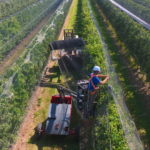
The tendone is not just there to support the vines: it is the platform on which the canopy is managed, netting and irrigation are mounted and a more favourable microclimate is created. Each protection should be chosen according to the challenge it has to solve.
| Solution | What it does | Profiles where it is decisive |
| Tendone / Pergola | Support and orchard architecture, base for netting and irrigation | All |
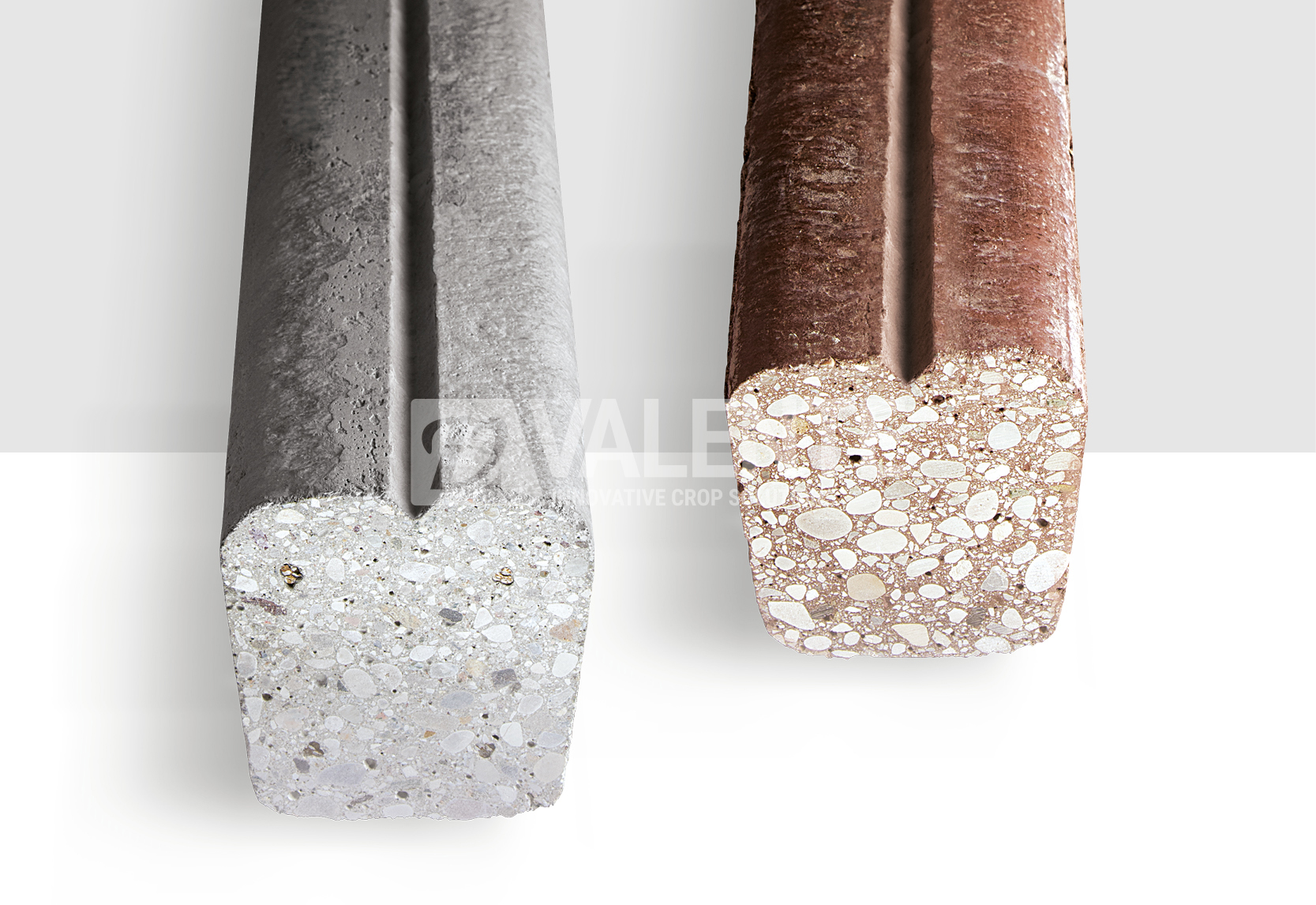
| Prestressed concrete posts | Durable load-bearing structure, over 40 years of design life | All |
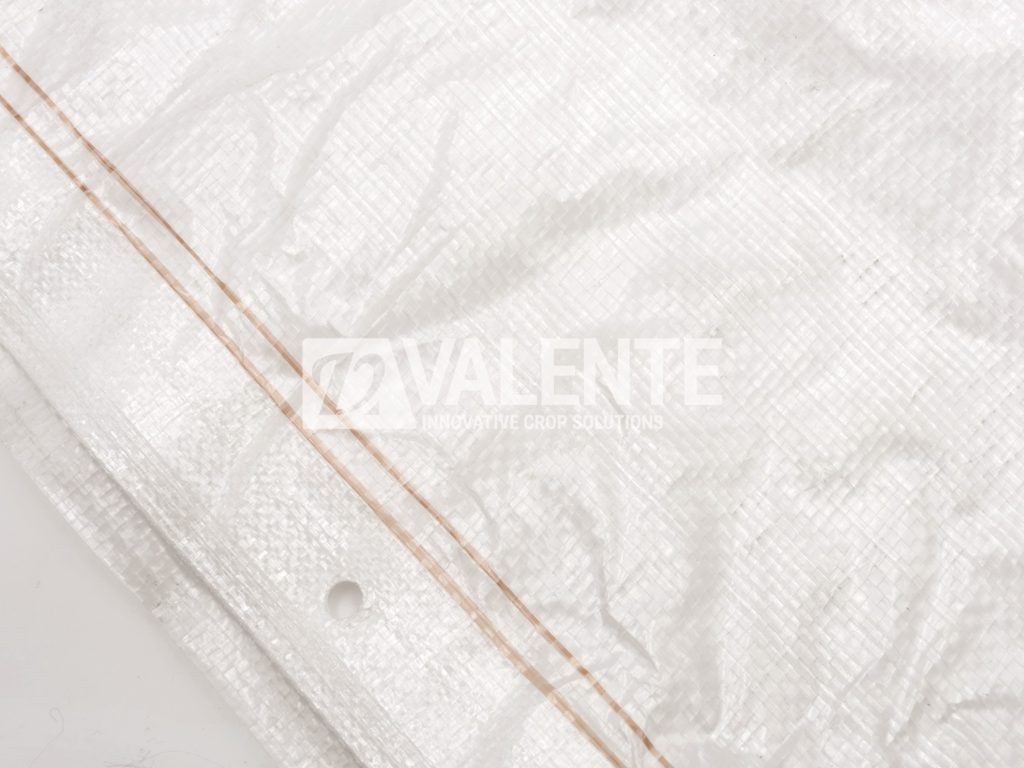
| Anti-hail netting | Protects from hail, reduces mechanical damage and Psa entry | A, B, C |
| Black shade netting | Reduces heat stress and sunburn, improves the microclimate | B, D |
| Rain netting / cover | Reduces wetness, fruit cracking and fungal disease | A, B, D |
| Perimeter windbreak | Reduces wind-rub, protects buds, stabilises the microclimate | A, C |
| Anti-frost systems | Protect from late frosts | C |
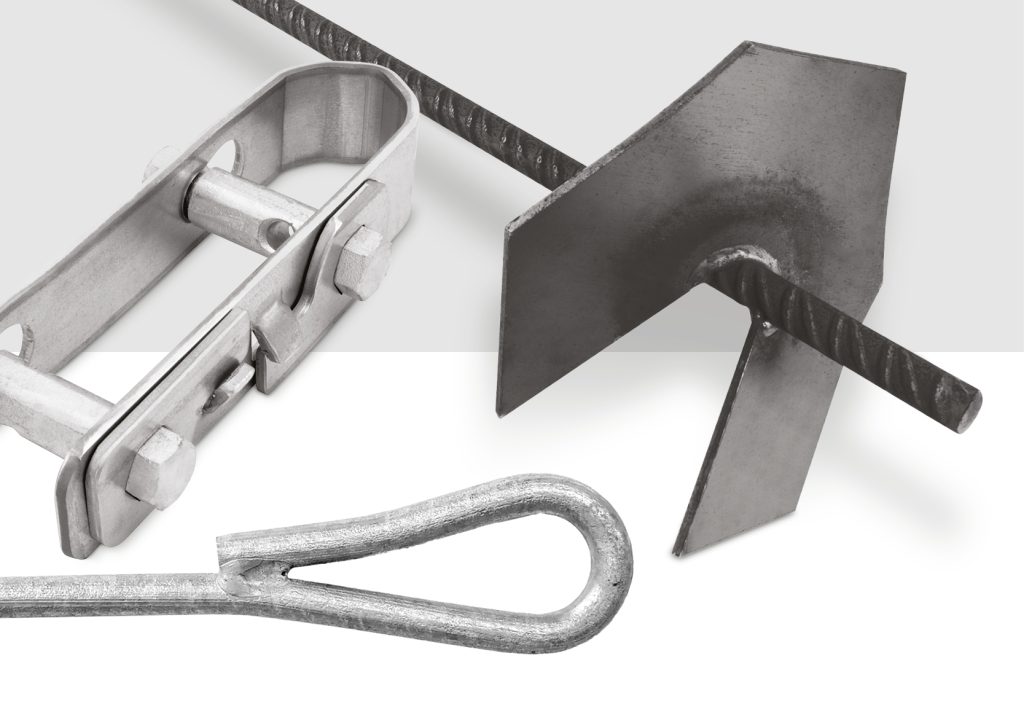
| Vapa system (tensioning) | Efficient installation and maintenance over large areas | All |
Yield, quality and profitability
The goal is fruit with the dry matter, colour, sugar level, size and storability the market demands, with steady production year after year.
The price premium of gold and red is today the main driver of varietal conversion worldwide. In New Zealand, according to Zespri 2024/25 data, orchard-gate returns per hectare stand at approximately NZD 62,000 (about USD 37,000) for green and NZD 140,000 (about USD 84,000) for SunGold. Red reaches high values, but ones that vary widely with the age of the orchard.
A global crop: yields and returns around the world
Kiwifruit is grown commercially across every temperate and subtropical belt of the planet, and the economics tell a consistent story: the growers who succeed are those combining premium varieties with protected, high-performing orchards. Chile, the largest Southern-Hemisphere producer after New Zealand (around 7,600 ha and 130,000–170,000 tonnes), achieves yields of about 28 t/ha in its prime regions — Maule and O’Higgins — some 15% above the global average, thanks to a Mediterranean microclimate and Andean snowmelt irrigation. Export prices sit around USD 1.90/kg, and Chile’s counter-seasonal window (June–August) secures premium pricing in European supermarkets when New Zealand fruit is unavailable. South Africa is an emerging frontier: a small but fast-growing industry, concentrated in KwaZulu-Natal and the Cape, focused almost entirely on premium SunGold for export to Europe and the Middle East, with harvest in February–March. Domestic prices are high — the country is a net importer — and growers benefit from preferential market access; yields are still being established as the industry matures, but the orientation is unambiguously premium. Australia shows a similar pattern: limited domestic production against strongly rising demand, with gold varieties leading the expansion.
By way of European reference, Italy — the leading European producer, with around 24,000–25,000 ha — records average Hayward yields near 27 t/ha and producer prices of €1.15–1.40/kg (about USD 1.25–1.50/kg), giving a gross production value of roughly €30,000–40,000/ha (about USD 33,000–44,000/ha) for green in full production. France is the third-largest European producer, with around 3,800 ha and 50,000 tonnes concentrated in the Adour basin — home to the Kiwi de l’Adour, which carries both a Label Rouge and a PGI — where the production value averages €30,000–50,000/ha (about USD 33,000–55,000/ha), among the highest in Europe. Spain and Portugal, for their part, form a structurally deficit market, importing far more than they produce — a lasting opportunity for well-equipped growers across the whole of south-western Europe. One reading is constant across all these regions: total yield in kilograms matters less than marketable, first-grade yield — the fruit that reaches premium markets and premium prices. That difference is not automatic: it is won with the right variety and with orchards protected against hail, wind, sunburn and frost. This is exactly where Valente structures and covering systems turn a region’s potential into real, repeatable returns.
Protections have a direct impact on these figures. More marketable fruit, fewer rejects from hail, sunburn or wind, and access to the best price windows: this is where the orchard pays back the investment.
Sources: Zespri Orchard Gate Return 2024/25 (New Zealand), Chilean Kiwifruit Committee and Freshfruitportal (Chile), Freshplaza and Farmer's Weekly (South Africa), ISMEA (Italy), Agreste (France). Indicative figures, to be adapted to each production reality.
Valente: a structure for every climate
Achieving this result takes specialised agronomists and technical partners able to turn the crop's needs into a reliable orchard. Valente offers modular structures for different training systems, varieties and climates, ready to integrate netting, covers, accessories and precision-orcharding technologies.
- Over 40 years of durability. the prestressed concrete that forms the Valente structure is inert to moisture, UV and soil biology: it does not rot or corrode. DNV product certification and Valente Materials Warranty.
- Tailored protection. Anti-hail, windbreak and shade netting, rain covers and anti-frost systems, chosen according to the climate profile.
- Functional netting. Konnet, Croisette and Flat, with different mesh types, colours and shading levels.
- Fast installation. Repeatable assembly with lightweight equipment: less time, labour and cost per hectare.
- Simple maintenance. Valente accessories make re-tensioning easy after hail, wind or ground settling.
- Ready for mechanisation. Row geometry and post spacing support mechanical pruning and in-field aids. The orchard integrates with weather stations and microclimate sensors.
- Carbon-footprint data available; compatible with organic and integrated production, in line with the applicable standard.
- Cost over time. Long service life, fast installation and simplified maintenance reduce the cost per hectare per year and accelerate the return on investment.
The advantage is designing before planting
A profitable kiwifruit orchard does not depend on a single choice. It grows out of the balance between variety, climate, soil, water, agronomic practice, structure, protection and economic organisation. Valente contributes to that balance with robust, durable and adaptable solutions, and supports the grower from design through to production management.
One fruit, many climates, the right solutions. Kiwifruit is a real opportunity, but the difference is made by the design.
Are you considering a new orchard or a conversion to kiwifruit? Talk to a Valente technician: let's design it together for your climate.