

Protective covers in blueberry production: scientific evidence and the engineering response
What twelve international studies reveal — and how to turn that knowledge into an effective installation
Blueberries have become one of the most profitable crops within the berry sector, but also one of the most exposed to climatic and biological challenges. Rainfall close to harvest, heat stress, sunburn, wind, and increasing pressure from pests such as Drosophila suzukii directly affect the proportion of marketable fruit.
In an increasingly unstable climate — marked by mild winters, late frosts, concentrated rainfall and more frequent hail events — managing these factors is no longer optional. It has become an essential condition to ensure production continuity and fruit quality.
Twelve studies, one conclusion
A recent technical-scientific review analyzed twelve studies conducted between 2015 and 2025 in eight producing countries — Chile, China, Serbia, Argentina, South Africa, Canada, Spain and Italy — on widely cultivated varieties such as Duke, Brigitta, Bluecrop, Legacy, Emerald and Ventura.
Despite differences in climate, varieties and management techniques, the results converge clearly: protective covers — against rain, hail, solar radiation and insects — generate measurable improvements in crop microclimate, plant physiology, fruit quality and commercial yield.
From microclimate to yield: a chain of benefits
The first effect of protective covers occurs at the microclimate level. Under protection, direct solar radiation is reduced by 10–35%, fruit temperature decreases by 1.5–3 °C, wind speed is reduced by 30–60%, and surface fruit moisture — the main trigger of problems such as cracking — can drop by 70–90%.
This more stable environment reduces water and heat stress, promoting more efficient physiological activity. Studies report improvements in crop water status, increases in net photosynthesis of 5–12%, and reductions in evapotranspiration of 15–25%, contributing to more uniform ripening.
The benefits for fruit quality are especially relevant from a commercial standpoint. Cracking is reduced by 50–80%, sunburn by 35–60%, firmness increases by 5–15%, fruit size by 5–10%, and anthocyanin content rises by 10–20%.
The final result is 10–18% more marketable production, a 20–30% reduction in culls, and a 40–60% decrease in rain‑related losses.
In terms of plant health, insect‑proof nets can reduce damage from Drosophila suzukii to nearly zero, cutting insecticide use by 80–100% and reducing dependence on fungicide treatments by 20–40%. Fewer residues, lower water consumption and a significant reduction in production risk make protective covers a tool that simultaneously improves quality, productivity and sustainability.

From research to the field: the Valente approach
However, these benefits only materialize when the protection system is correctly designed, sized and installed. This is where Valente’s experience — more than 60 years of activity and over 50,000 hectares of protected crops worldwide — becomes essential.
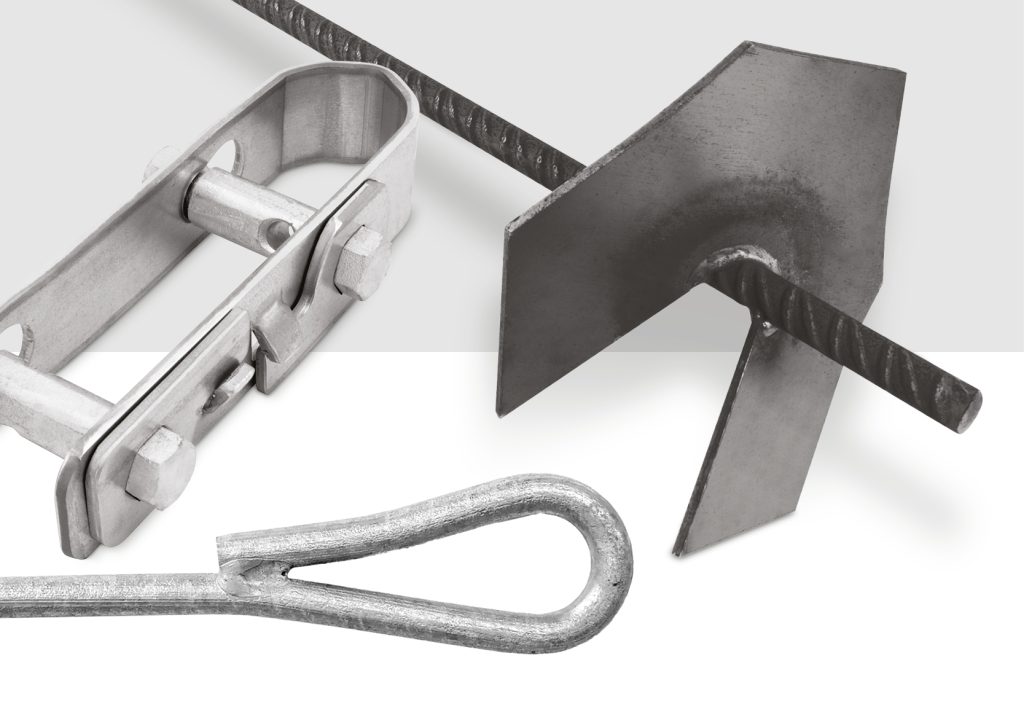
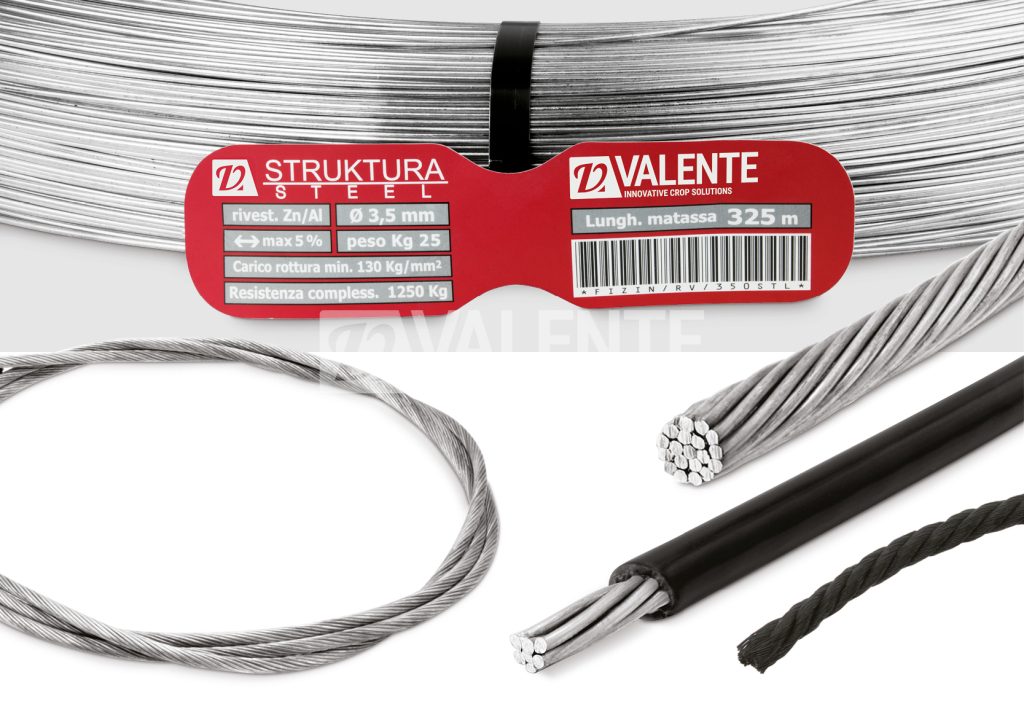
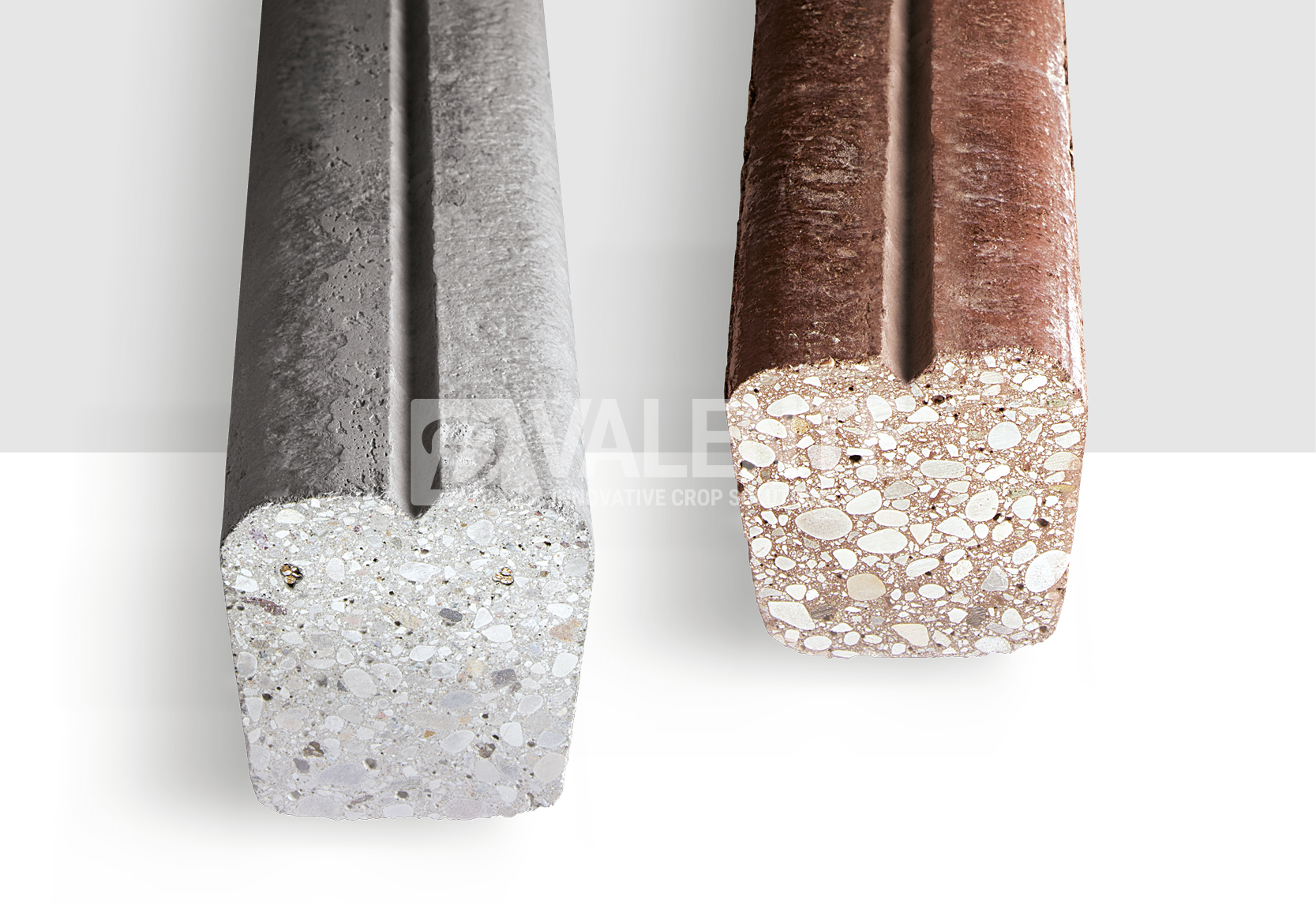
ValenteProtect© covers are conceived as multifunctional systems capable of performing several roles simultaneously. Their core element is always a certified high‑resistance structure made of prestressed reinforced‑concrete posts, steel cables and anchoring systems dimensioned according to soil characteristics, designed to offer durability and resistance to wind and hail loads.
For blueberry production, solutions are organized into three main families, which can be combined depending on each farm’s needs:
- ValenteProtect Hail — anti‑hail netting that also provides shading and wind protection, reducing direct radiation and the risk of sunburn.
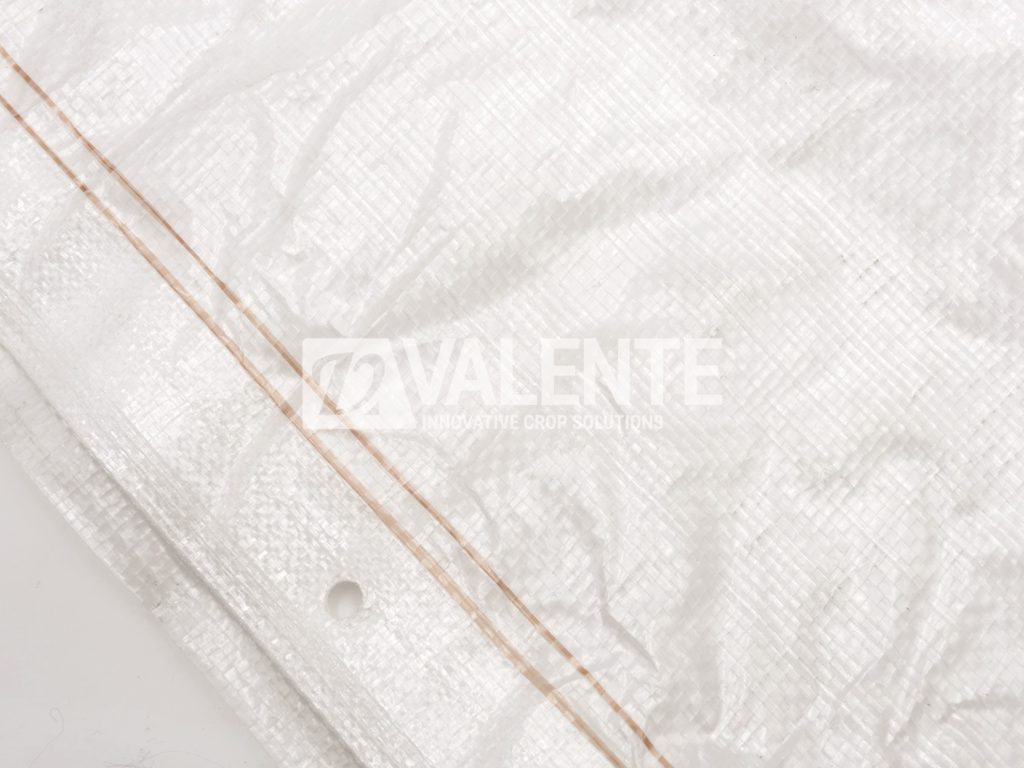
- ValenteProtect Rain — woven waterproof covers, UV‑resistant, with a diffuse‑light effect that promotes gradual and uniform ripening.
- ValenteProtect Insect — insect‑proof closure systems, both perimeter (Mono‑block) and single‑row protection (Mono‑row), designed for targeted control of Drosophila suzukii.
Management, flexibility and durability
Among the most advanced solutions, two systems stand out for their high value to growers.
The Multishield system, equipped with automated opening, allows plants to be covered only when conditions require it. A single operator can open or close 100 meters of row in under one minute — roughly 20 minutes per hectare — allowing the crop to remain in natural conditions for most of the season.
The Konnet system, based on half‑nets, significantly reduces the so‑called “sail effect,” improves structural stability in windy areas, and facilitates both maintenance tasks and material replacement when needed.
A strategic investment, not a cost
Scientific evidence and field experience lead to the same conclusion: protective covers should not be viewed as a cost, but as a risk‑management tool that improves production stability, quality and profitability. Choosing the right system depends on factors such as climate, variety, planting density and the commercial objectives of each farm. For this reason, the true value lies not only in the materials used, but in the ability to design a solution tailored to each production context.
This is precisely the approach we follow: supporting the grower from the design phase through to the delivery of a complete, efficient installation ready to meet the challenges of modern fruit production.