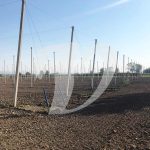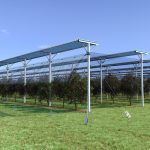


Today's article aims to provide a detailed focus on one of the most important but often underestimated activities when it comes to the functionality of vineyard and orchard systems: maintenance.
Maintenance, in fact, is one of the keys to ensuring the stability of the system over time and preventing most problems.
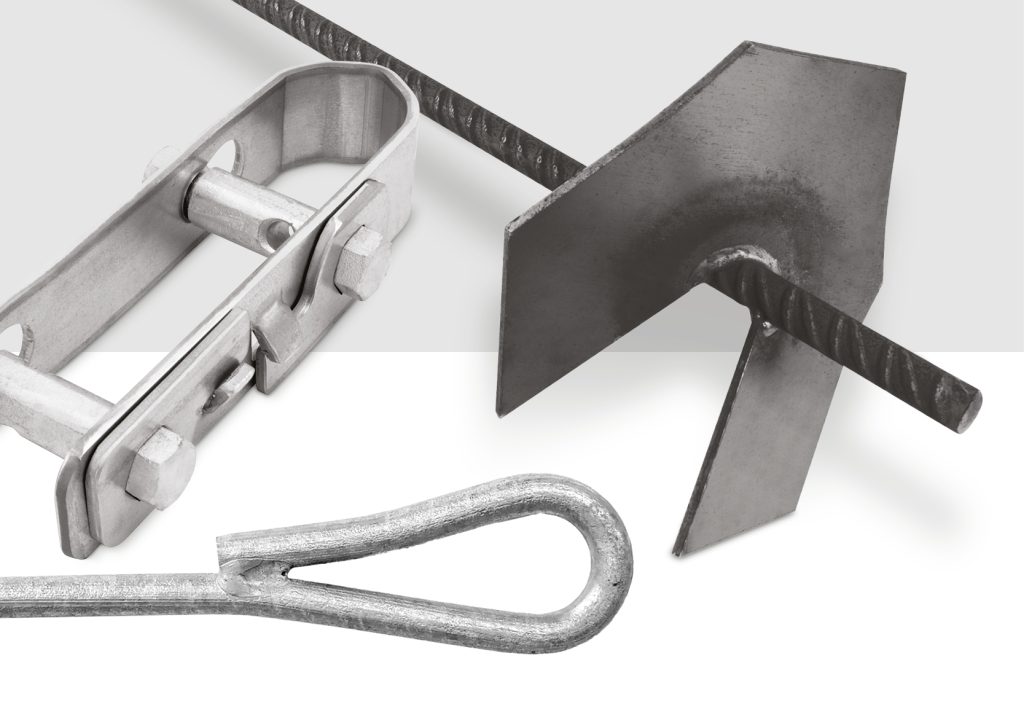
This is particularly true for tensile structures, which consist of fixed parts (in our case posts, anchors) connected to each other by means of tensioned wires/cables, which together make up a single, balanced unit, able to withstand specific stresses from different angles. Once this balance deteriorates (loosening of the flexible wire/rope elements), the overall resistance is partially or almost completely lost; in short, the structure gets weaker and performs less well in the event of adverse weather conditions (rain, wind, hail, etc.).
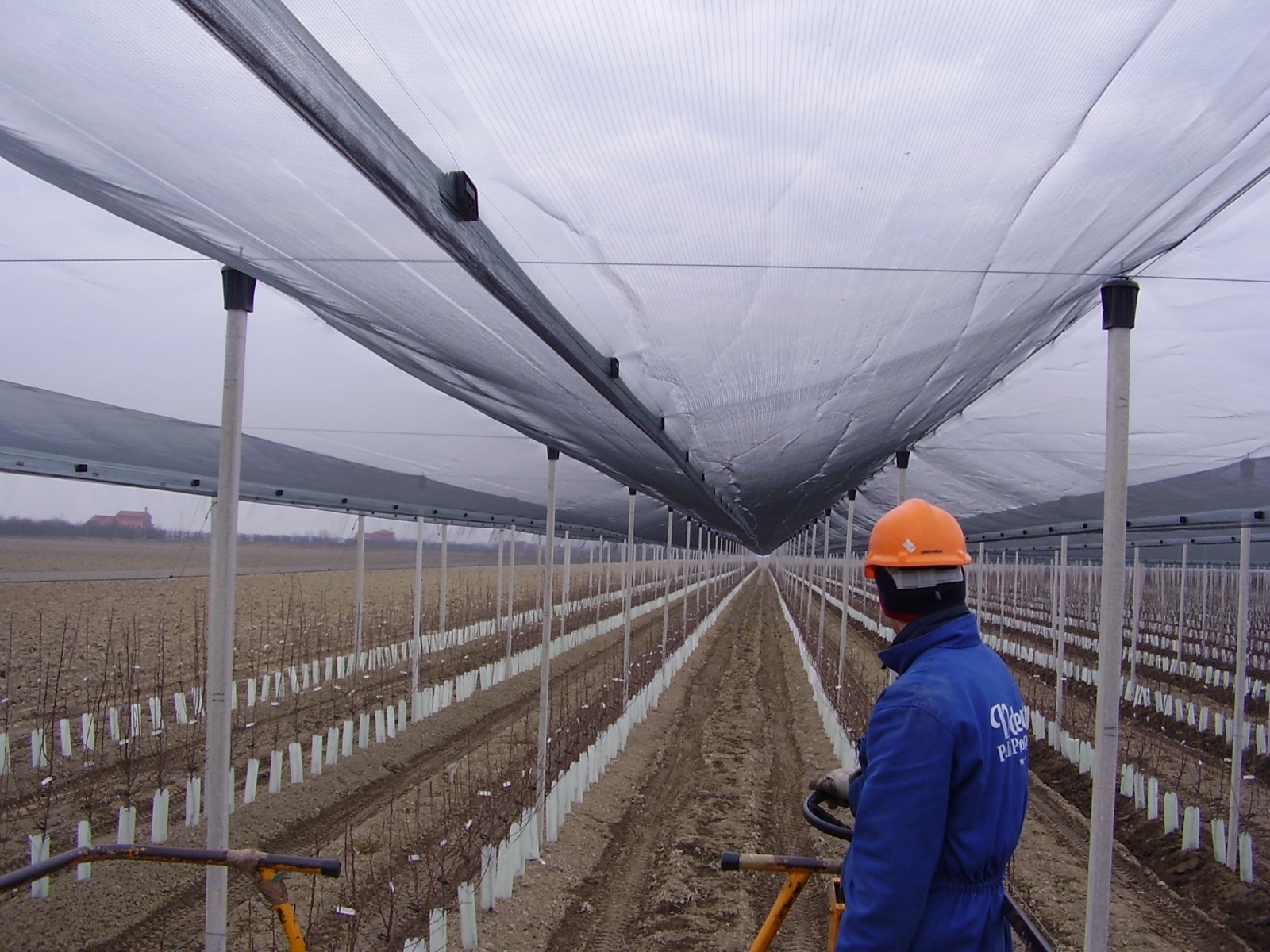
What are therefore the problems that can occur most often in the event of a lack of regular and effective maintenance?
Failure to maintain the system implies that it will no longer have the same static characteristics that were calculated at the design and installation stage; as a result, the system will be much weaker and unable to fully absorb external stresses such as wind and hail.
Bear in mind that a system that is not perfectly tensioned might be able to withstand adverse weather conditions (thanks to the high-quality materials used), but there would be a very high risk of it getting damaged and then having to be promptly repaired. Obviously, this extra work would require time and care, as a surgical intervention would have to be carried out to avoid further problems.
A classic example could be the breaking or bending of posts (this will reflexively lead to the damage/loss of the plants below since they are directly connected to the structure), the breaking/extraction of anchors from the ground, the tearing of nets, etc.
We will now go into detail and see what maintenance activities are recommended for orchards and vineyards.
Orchard Maintenance
By maintenance we mean all those operations aimed at keeping the system performing and resistant over time.
That being said, there are two types of maintenance operations as described below:
- the MANDATORY steps that cannot be neglected under any circumstances.
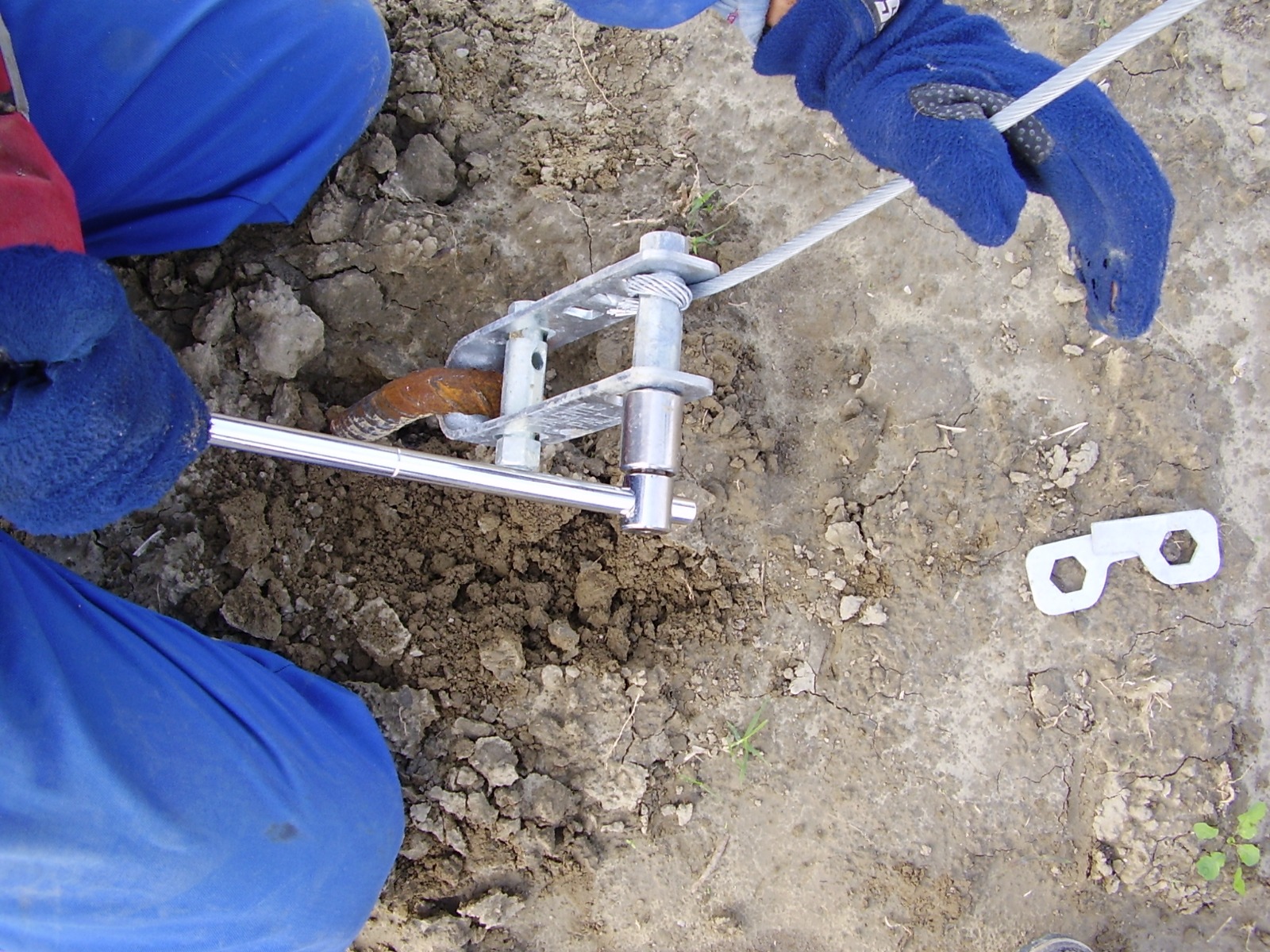
These include the tensioning of structural cables/wires that guarantee the efficiency and strength of the covering. This step must be carried out within the timeframe indicated below; Valente always provides a summary table of the parameters to be set to achieve the efficiency standards set by the company.
- Steps that can be identified as SECONDARY, but which in our opinion should always be mandatory, because they strongly influence the performance of the system.
These include the tensioning of the plant support wires and the maintenance method of the net over the winter period. This last stage might not seem particularly important, but we must consider that the net accounts for 40% of the value of the whole system, so proper care and attention should always be ensured. Even in this case there are specific timings to be observed, both for the durability of the net but also for the structural criticalities that could occur in the event of snow.
When should maintenance operations be carried out?
Our advice is to carry out 2 maintenance operations at a distance of 6 months during the first year of the system service in order to quickly compensate the physiological adjustments of the soil. From the second year onwards a check should always be carried out at the beginning of the season so that the system is well tensioned when the nets come into operation. As the years go by, this operation will be less and less necessary as the soil will have reached its maximum density and resistance. Please bear in mind that in the event of heavy rain or major weather events it is always advisable to carry out a timely check to ensure that the system is fully operational.
What operations are to be performed in practice?
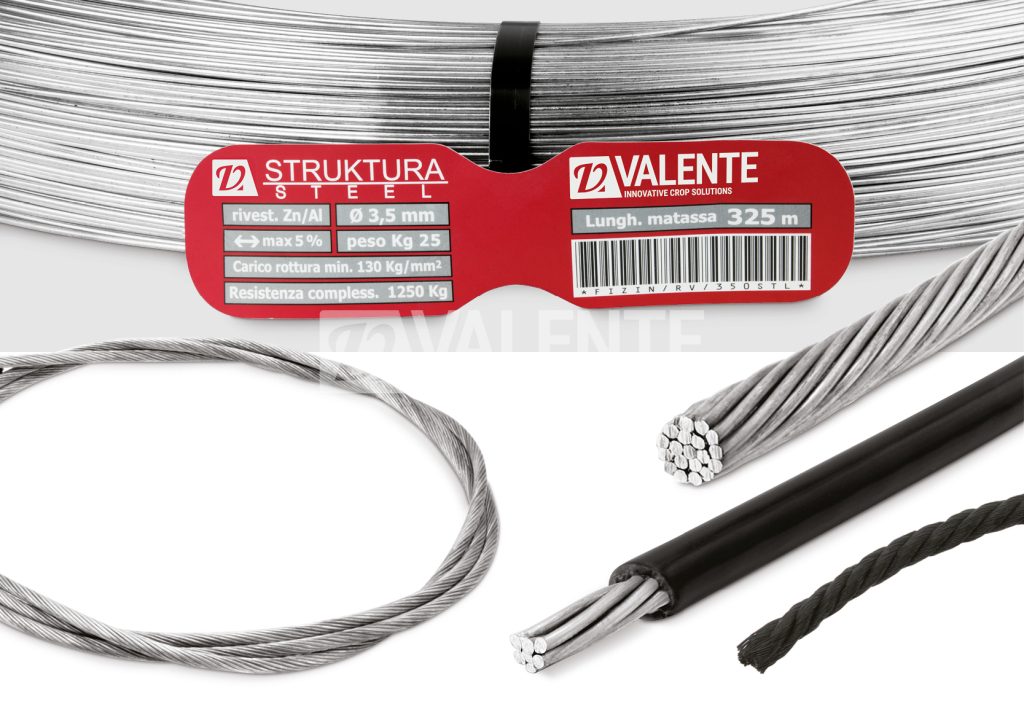
It is always necessary to start with the tensioning of the 7mm anchor cable (positioned just below the hood), the plant support cable (usually a 4 or 7mm cable positioned in the middle of the post) and consequently the 4mm top wire. Tensioning must be performed in a balanced manner on both sides of the row so as not to create any misalignment of strengths within the system. This will be followed by the plant support cables and the general control of the covering.
To carry out these operations use a torque wrench, which will be calibrated according to the parameters provided by the company.
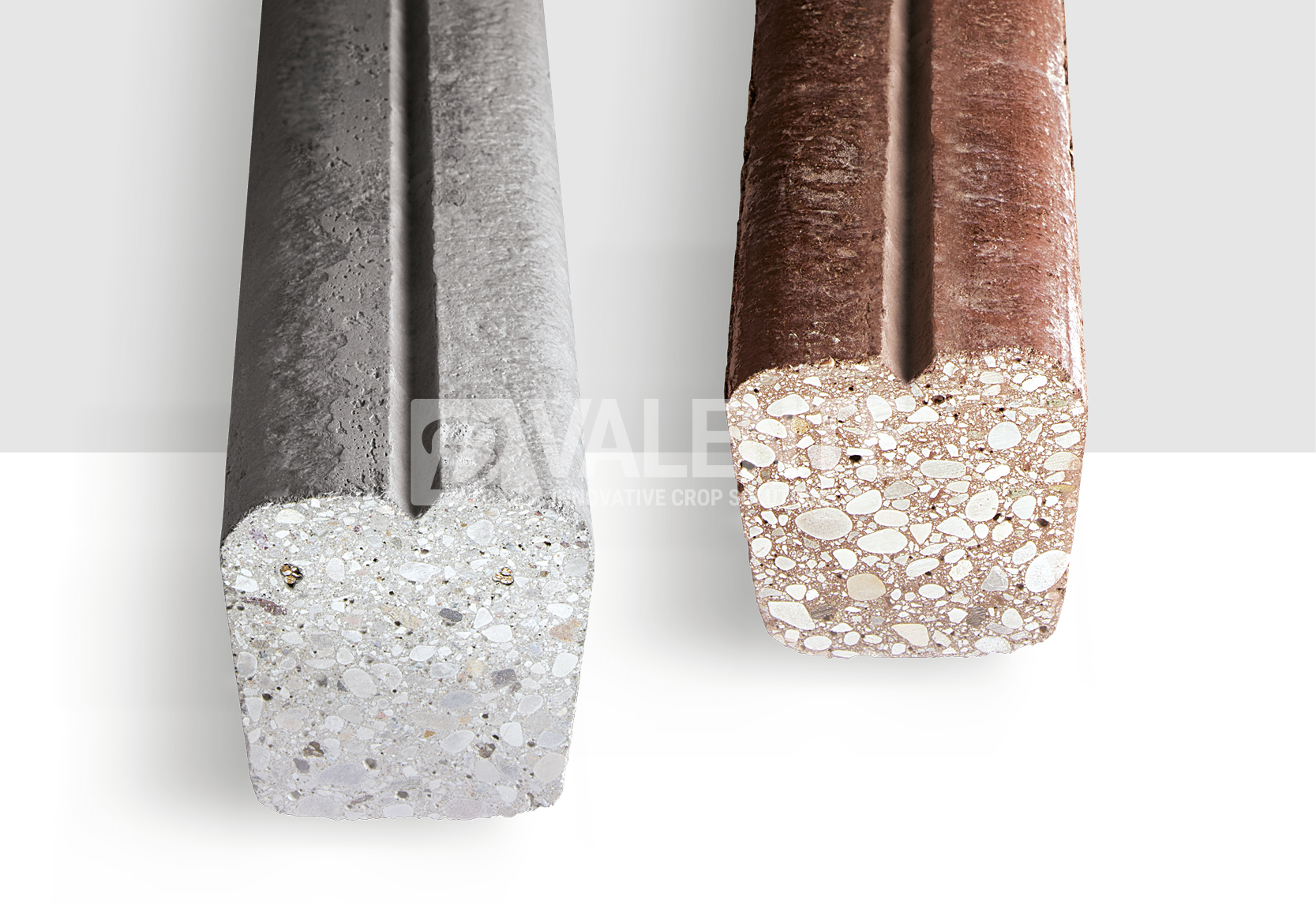
In some cases you might notice surface cracks or that the post has moved from its original position; do not be alarmed (unless the crack in the concrete is significant) because it is only the normal reaction of the post to the current unbalancing of strengths. To restore the correct position it is necessary to rebalance the load acting on the post by working with cables and wires.
During the maintenance phase it is recommended to pay close attention to these small details, correcting them as much as possible in order to avoid future complications to the facility.
Vineyard Maintenance
Tension the cables connected at the back of the post in order to provide the head posts with the necessary strength. As a second step, continue with the vineyard support wires, checking along the length of the entire row that there are no breaks occured during the harvest stage.
It is always recommended to act before the start of the season.
Proceed similarly to the procedure described for the orchard, following the maintenance sheets provided by the company.
As already mentioned, failure to proceed with proper maintenance could lead to various problems.
Inadequately tensioned rows, for example, may not absorb the strength of the wind properly. In the specific case of the vineyard, since there are no transversal connections to increase resistance, all the effort is absorbed by the posts; in the case of inadequately tensioned rows, especially when there is maximum vegetation, the 'rigidity' that enables the row to remain standing will therefore be lacking.
In summary, maintenance is a key aspect in the correct functionality of the structure, as well as careful planning and installation carried out in a professional way. Carrying it out with continuity following the indicated procedures is a guarantee that all the work done in the previous phases will not be undermined, risking the safety and health of the crops involved.