19/10/2022

Climate change is altering the chemistry of wine

Warming, wildfires and unpredictable weather threaten to disrupt the delicate processes that underlie treasured wines. Researchers and producers are innovating to keep ahead.

6.22.2022

Soon after the devastating Glass Fire sparked in California’s Napa Valley in September 2020, wine chemist Anita Oberholster’s inbox was brimming with hundreds of emails from panicked viticulturists. They wanted to know if they could harvest their grapes without a dreaded effect on their wine: the odious ashtray flavor known as smoke taint.

Oberholster, of the University of California, Davis, could only tell them, “Maybe.”

Industry laboratories were slammed with grape samples to test, with wait times of up to six weeks. Growers didn’t know whether it was worth harvesting their crops. Eight percent of California wine grapes in 2020 were left to rot.

Winemakers are no strangers to the vicissitudes wrought by climate change. Warmer temperatures have been a boon to some in cooler regions who are rejoicing over riper berries — but devastating to others. Scorching heat waves, wildfires and other climate-driven calamities have ruined harvests in Europe, North America, Australia and elsewhere.

And as 2020 showed, climate change can take its toll on grapes without directly destroying them. Wildfires and warmer temperatures can transform the flavor of wine, whose quality and very identity depends on the delicate chemistry of grapes and the conditions they’re grown in. Many growers and winemakers are increasingly concerned that climate change is robbing wines of their defining flavors, even spoiling vintages entirely.

“That’s the big worry,” says Karen MacNeil, a wine expert living in Napa Valley and author of The Wine Bible. “That’s the heartbeat of wine — it’s connected to its place.”

The greatest challenge that climate change brings to winemaking is unpredictability, MacNeil says. Producers used to know which varieties to grow, how to grow them, when to harvest the berries and how to ferment them to produce a consistent, quality wine — but today, every step is up in the air. This growing recognition is spurring researchers and winemakers to find ways to preserve beloved grape varieties and their unique qualities under the shifting and capricious conditions of today’s warming world.

To learn about the threats to our favorite beverage, we spoke with wine experts from two renowned wine regions — Bordeaux in France and California — to understand how climate change is uprooting their traditional vines and wines, and traveled to the University of California, Davis, and nearby Napa Valley in late 2021 to speak with scientists, growers and winemakers.

We were treated to an inside look at how every stage of winemaking is transforming to preserve desired flavors and aromas — and yes, got to taste a lot of wine, from the finest Cabernet Sauvignon to samples spoiled by smoke and scorching heat.

The taste of climate change

Weather extremes can kill even the hardiest vines, but much of the climate threat is an invisible one: chemical changes in the berries.

That’s because wine quality, at its most granular, boils down to achieving balance between three broad aspects of berries: sugar, acid and secondary compounds. Sugar builds up in berries as vines photosynthesize, and acid breaks down as the grapes ripen. Secondary compounds — basically, chemicals beyond those essential to the plant’s core metabolism — accumulate over the season. Ones called anthocyanins give red grapes their color and protect the plant against UV rays. Others called tannins give wines bitterness and an astringent, drying mouthfeel; to the vines, they offer defense against grazing animals and other pests.

These three components, and therefore wine flavor, are affected by numerous environmental factors, including soil types, rainfall levels and fog, all of which are encompassed in the French word “terroir.” Climate — long-term patterns of temperature and precipitation — is the biggest part of terroir, Oberholster says.

When a region’s climate changes, that can disrupt the balance of sugar, acid and secondary compounds by changing the rate at which they develop over the growing season, says Megan Bartlett, a plant biologist studying viticulture at UC Davis. Grapes, like most fruit, break down acids and accumulate sugar as they ripen. At warmer temperatures, ripening is supercharged, leading to sweet, raisin-like flavor in grapes.

Yeasts consume those sugars during fermentation and excrete alcohol, so fermenting sweeter berries leads to higher wine alcohol content — and, indeed, wines in warm regions such as southern France are growing boozier. That’s an undesirable trend for the region’s consumers, especially since it’s accompanied by a drop in acidity, says Cécile Ha, a spokesperson for the Bordeaux Wine Council. Acidity affords a fresh fruitiness and ensures that wines last for years in the cellar.

In some wines, higher alcohol creates a burning taste and masks subtle aromas, says Carolyn Ross, a food scientist at Washington State University who cataloged wine aroma compounds in the Annual Review of Food Science and Technology. Boozier wines also tend to taste spicier. And so, as the weather gets hotter, “you’re getting pushed more and more towards that Zinfandel style,” Bartlett says. “Which is great if Zinfandel is what you’re going for. But if you’ve planted Pinot or you’ve planted Cab, you’re no longer really expressing the best version of that variety.”

If the story were simply about sugar and acid, the solution would be relatively simple: Harvest grapes earlier, before they turn too sweet and while they still retain their tartness. But growers also want that stew of secondary compounds to build up, because these create the layered aromas key to quality wines. This can force wine producers to choose between harvesting early without fully developed tannins and anthocyanins or harvesting later when berries are loaded with those compounds but are overly sweet as well.

All things being equal, the changes in grapes due to warmer growing temperatures bring out more ripe, or “cooked,” flavors in wine. MacNeil puts the progression this way: “an unripe cherry, to an almost-ripe cherry, to a ripe cherry, to cherry juice, to cherries that have been cooked down on the top of a stove like if you’re going to make a pie, to dried cherries that are almost like raisins.” For wines from warmer spots, climate change is worrisome because they’re at risk of losing their sense of place as more and more wines become raisiny. (“All raisins taste the same,” says MacNeil.)

A blurring between wines is already affecting the industry, fueled by warmer temperatures and greater weather unpredictability as well as increased exchanges of growing techniques. It’s made the certification of master sommeliers — a vexingly difficult exam that includes guessing a wine’s variety, year and region — even harder.

“There are a lot of people who are older masters of wine and master sommeliers who will tell you that if they had to take that exam now, especially the tasting exam, they would never pass it,” MacNeil says.

The flavor of fire

These shifts in wine flavor are subtle in comparison to that other, dreaded climate impact: smoke taint. While a little smokiness imparted from, say, barrel-aging, might enhance a wine, this is a “very characteristic ashtray character at the back of your throat,” as Oberholster describes it, with notes such as “Band-Aid” and “medicinal.”

Compounds called volatile phenols, produced when wood is burned, seep into grapes and accumulate mainly in the skins. The phenols are bound up with sugars into odorless compounds called glycosides — until fermentation, when some of these phenols break free, imparting the distinct, overpowering flavor. (The breakdown continues in bottle or barrel and mouth.) The taste is most pronounced when the berries are bathed in fresh smoke rather than older smoke.

The experience is “retro-nasal,” meaning the aroma rises into your sinuses once the wine is on your tongue; it’s estimated that 20 percent to 25 percent of people can’t taste it, potentially because their saliva lacks enzymes that break bonds to release the smoky notes. It’s primarily a threat to red wines, because reds are fermented with the grape skins.

The recent surge of intense wildfires, worsened by climate change, has made Napa growers anxious each year as the fall grape harvest approaches. Since 2017, heavy smoke has hovered over Napa vineyards most years. Worried grape growers have reached out to Oberholster for guidance, and the chemist has fermented numerous test batches exposed to varying levels of smoke.

On the day that we meet with her, Oberholster takes us to a 24,000-bottle-capacity library of wine at the UC Davis Robert Mondavi Institute. She tracks down two reds from the stacks, handing us the 2020 vintages. One is a moderately tainted wine from grapes exposed to a week of smoke from the Glass Fire; the other is a heavily tainted fermentation from grapes that endured smoke from a large complex of lightning-triggered fires that edged right up to the vineyard that same year.

Later on, we conduct an informal but blind taste test back at Ula’s kitchen table in Reno. Compared alongside a Kirkland Signature Cabernet Sauvignon, the tainted wines have a campfire-like smokiness that Katya experiences mostly as a smell, while Ula also feels a burn at the back of her throat.

“Drinking burnt wood,” Ula jots down in her notebook, of the smokier vintage.

Planting more resilient vines

Smoke taint is gross, shrieking its presence even to amateurs like us. But many winemakers are also worried about the subtler ways that climate change threatens the flavor and identity of their products. In readiness, producers and researchers in warmer regions are learning how to adapt their vineyards, their winemaking and the very vines themselves.

In Bordeaux, for example, the traditional style for red wines is full-bodied with strong fruity aromas and a “pencil lead” earthiness. But earlier springs mean that the grapes of traditional varieties mature during the peak of summer rather than in the fall, generating lots of sugars, fewer acids and undesirable changes in aromas. To identify grape types that are better adapted to warmer climates and still produce wine with Bordeaux flavors, agronomist Agnès Destrac-Irvine of the French National Institute for Agriculture, Food and Environment and her colleagues recently concluded a decade-long study of 52 varieties from other regions.

Working with wine producers, they settled on four red and two white vine types that fit the bill. And in a remarkable move for French authorities, which have long allowed only six traditional red and eight traditional white grape varieties to be cultivated, in 2021 they formally authorized Bordeaux wine producers to try out the new ones — as long as they don’t represent more than 10 percent of a final wine blend.

These newcomers add fresh tools to winemakers’ palettes so they can balance out the effects of climate change in Bordeaux blends, Destrac-Irvine says. One of them, the French variety Arinarnoa, can boost acidity and tannin levels; another, the Portuguese Touriga Nacional, can ramp up powerful black fruit aromas that heat-sensitive varieties might lose. “If you have more colors,” says Ha of the Bordeaux Wine Council, “maybe it will give you more possibilities to paint.”

But approving the chosen six is on a trial basis only: In Bordeaux, where growers have tended vines for some 2,000 years, the idea of new varieties is terrifying, says Gregory Gambetta, a plant physiologist at Bordeaux Sciences Agro and the Institute of Vine and Wine Science. The traditional ones are just so closely intertwined with the region’s culture and history that, “frankly,” he says, “it would be much better if we could adapt the system using other levers.”

And so Gambetta and others are trying to do just that: study how to climate-proof vines by using different rootstocks, which are usually of a different variety anyway. Rootstocks control a plant’s overall vigor and water use, so if these are selected to tolerate the warming world, the aboveground variety — which determines the unique chemistry and flavor of the grapes — can still be used and thrive.

One sunny and warm day in November 2021, UC Davis viticulture researcher Kaan Kurtural leads us to a plot of vines at the Oakville Experimental Vineyard in Napa Valley, nestled between the forest-coated hills near other, commercial vineyards. Since 2016, Kurtural and colleagues have been monitoring 16 unique combinations of rootstocks and Cabernet Sauvignon clones to learn which combinations are most resilient under stressful conditions like heat waves and drought while still producing high-quality Cabernet Sauvignon grapes.

Some of the experimental grafts — including one with a French rootstock called 420A — clearly look wilted and, after just five years, some of them are dead. But others — including ones grafted onto the Austrian rootstock Kober 5 BB, the French 3309 Couderc and 110 Richter — look more vigorous and leafier.

Andy Beckstoffer, a prominent winegrower in Napa who is working with Kurtural on a similar trial at one of his own vineyards, tells us he thinks the results will be a boon to Cabernet Sauvignon in the coming years. “Hopefully, we will come up with new combinations that address climate change and also improve wine quality,” he says.

Growers across the world already are changing traditional practices to temper the effects of a warming climate. Grapes are often harvested earlier in the year to prevent overripening and, in fire-prone regions, to miss the worst of wildfire season and avoid smoke taint. Bordeaux workers now rush to pick berries in the early morning when acidity is highest, and they trim bushy plants to curb sugar production.

At the Oakville research station, Kurtural shows us experiment after experiment investigating the effects of different viticultural practices, including a carbon-sucking grass that can grow between rows and vines tied up to wires in numerous trellising styles. Fortunately for places like drought-bedeviled California, the solution isn’t simply more water; his research suggests that the most balanced and aromatic wines come from vines that are under constant, mild water stress. Tackling the sun’s radiation might be a better way forward.

“Some regions of the spectra can be damaging, such as near-infrared light,” he’d explained earlier — they heat up the plant and the berries. At the vineyard, he leads us to a patch of Cabernet Sauvignon vines that have spent the past two seasons under parasol-like shade films. The films slow the ripening process and don’t seem to affect how many berries the vines produce.

We get to taste the difference on the same trip, at a conference on wine research at UC Davis. There, Lauren Marigliano, one of Kurtural’s graduate students, presents a chemistry analysis of grapes fully exposed to the sun or protected by different types of shade. Afterward, she provides wine samples from three treatments for the audience of researchers, growers and winemakers to try.

Around us, professionals swirl their glasses, sniff, take sips and then spit into little plastic buckets. We watch their technique and gingerly follow suit. The first wine is quite bitter, and the second one tastes less complex — a nearby expert declares it unfortunately “square.” We take a liking to the third one, which has a bolder berry aroma and a smoother taste. Attendees murmur approvingly at its “roundness.”

That “round” one, it turns out, came from grapes grown under a shade film that blocked around 30 percent of near-infrared light, the wavelengths most responsible for heat transmission. By cooling the grapes, the film allowed them to accumulate higher concentrations of heat-sensitive anthocyanins than the grapes for the first and second samples. One of those was grown with a less effective shade film that blocked a different set of wavelengths, the other with no film at all. The winning film still let through enough light for sun-dependent compounds to build up, creating a fuller-bodied, more complete red wine, Marigliano tells the audience.

But it’s not always economical for farmers to erect long films along their rows of vines, especially over large acreages. That’s where trellising comes in. During our tour of the experimental vineyard, Kurtural pauses at one point to gesture at a row of vines snaking along a single, high-hanging wire. This style of trellising works similarly to a good shade film by allowing the vine leaves themselves to shade the fruit, he explains.

Practices like shade films and grape-shielding trellising had mostly been limited to Australia, South America, Israel and Spain. “Now, with climate change, there’s 30 years-ish of good research on warm climate viticulture that’s all of a sudden relevant to places like Burgundy, Beaujolais, Germany, Napa and Sonoma,” says Steve Matthiasson, a wine producer from Napa Valley who has adopted shade cloth. He’s also planted his vines in a northeast-to-southwest orientation so that the sun shines directly on top of the vines, leaving the fruit protected by the leaves.

“Napa,” he marvels, “was a cool climate growing region one generation ago.”

Repairing climate impacts in wine

Even the toughest grapes can’t always withstand extreme heat and smoke. So researchers and wine producers are also developing ways to work with climate-affected crops and still make well-rounded wines.

Oberholster reckons that many of the vines left unharvested after the massive 2020 California fires could still have produced good wine, so she encourages growers to do small-scale “bucket fermentations” a few weeks before harvest to test for smoke taint — since fermentation releases those ashtray-tasting phenols. Growers can then send a wine sample to a lab for analysis and taste the micro batches themselves — they might pick up changes that a commercial lab would miss, since the labs only screen for a limited menu of compounds and could pronounce a wine to be fine when it’s not.

It can also help, adds Oberholster, to sweeten smokey wine with a little grape concentrate — that way, the extra sugar blocks enzymes in the mouth from releasing phenols. Even better would be removing the phenols altogether, but today’s treatments, which include activated carbon and reverse osmosis, target a wide class of smokey compounds. So — inevitably — they also take away some desirable aromas. To that end, Oberholster is screening enzymes used in the food and beverage industries to find ones that might help to break down the undesired compounds in wine and render them easier to filter out.

Wine blending techniques can also help. Beckstoffer, for example, says that his 2020 smoke-tainted grapes were fermented and, when blended with untainted wines, “may not go into a $200 bottle of wine, but a lot of them could go into a $40 bottle of wine.”

And Matthiasson carefully blends varieties to balance flavors: He picks Cabernet Sauvignon early in the season to preserve acidity, but that also means the grapes have less tongue-smothering richness, or mid-palate. So he mixes in Petit Verdot grapes to pump up the mid-palate and Cabernet Franc to fill in the gaps in herbal aromas.

He’s also planted an emergency stash of the Sagrantino variety — “for 20 years down the road” — which is rich in the tannins that Cabernet Sauvignon grapes lose during warmer nights.

Warmer temperatures threaten Matthiasson’s preferred style: wines lower in alcohol and higher in acidity than many of the full-bodied ones popular now. But he doesn’t think that raisin-like wine everywhere is inevitable. In fact, some studies suggest that much of the rise in stronger, sweeter wines is a choice driven by vintners and consumer demand, not solely due to warming climates. “I get very frustrated by winemakers using climate change as an excuse for overripe, rich, jammy wine when it’s not,” he says.

Winemaking is also going high-tech to adapt to climate change. In France, microbiologist Fabienne Remize of the University of Montpellier has engineered novel strains of yeast that produce less alcohol during fermentation, to circumvent the too-much-sugar issue. Scientists have also developed an electrodialysis process that can dial up the acidity of wine by removing ions like potassium from it; the method has been adopted by winemakers in France, Morocco and Spain.

The future of wine

The biggest question for climate-changed wine and the adaptations that researchers and wine producers come up with is, of course: Will people keep buying and enjoying it?

One of the more surprising lessons from consumer research is this embrace of bolder and jammier wines, as Kurtural and Gambetta have noted. In one study of red wines from Napa and Bordeaux, they found that wine ratings have actually risen over the last 60 years, even as those regions have warmed. The findings, they wrote, seem to quash a previous prediction that quality would peak at an average growing season temperature of 17.3 degrees Celsius — which both regions have long since surpassed.

Still, Kurtural and Gambetta also note we might be reaching a tipping point where warmer temperatures wear away secondary compounds beyond the ability of growers to adapt. “Frankly, we don’t know what the optimum is,” Gambetta says. “We need better tools and better analysis to find out how far is too far.”

Matthiasson, for his part, thinks that fine wines will weather the warming climate. With his shade cloths, blending techniques and emergency Sagrantino stash, he’s ready for what comes next. “I think we’re going to be able to adapt,” he says. “In the short term, our pace of learning is faster than the pace of climate change.”

This article originally appeared in
Knowable Magazine, an independent journalistic endeavor from Annual Reviews. Sign up for the
newsletter.

Knowable Magazine | Annual Reviews

Subscribe to the Newsletter

Fill out the following form with your details
Newsletter ENG
Type of crop
Privacy *
Cliente

Reinforcement ribs

All our posts are equipped with a QUALITY CERTIFICATE which includes data on the sheet metal used and its mechanical resistance to IMPACT and BENDING.

There are two factors, in addition to the quality of the sheet metal which is not visible to the naked eye, which allow us to achieve superior results compared to any other similar product on the market, given the same thickness and cross-section:

1.

The shape/geometry of the profile, which features many folds and ribs.

The number of front ribs, clearly visible on the surface of the post, and the number of folds, which can be easily calculated and compared with similar products on the market, are directly proportional to the strength of the post.

Few folds and few ribs = low strength.

2.

The side wire hooks, also called slots, in Valente posts are made by bending the sheet metal inwards and not by removing/cutting away sheet metal, which weakens the post itself at this critical point.

Furthermore, having side slots aligned with the rest of the post, rather than protruding, greatly reduces the risk of them bending during the many mechanised activities that take place in the vineyard. This is unlike products with external hooks which, although they may seem practical, are more likely to be damaged during harvesting and other activities.

Varianti del Palo KLASSIC

Sezione

Lunghezza

Armatura

Peso

Dimensioni

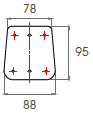
6×6Da 2,00 a 3,80 m8 fili = 4 trecce 2×2,258 kg/m
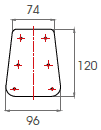
7×7Da 2,50 a 4,70 m8 fili = 4 trecce 2×2,2512 fili = 4 trecce 3×2,2511 kg/m
7×8Da 2,50 a 5,50 m12 fili = 4 trecce 3×2,2512 kg/m
8×8Da 2,50 a 5,50 m12 fili = 4 trecce 3×2,2515 kg/m
9×9Da 2,50 a 5,50 m12 fili = 4 trecce 3×2,2518 fili = 6 trecce 3×2,2519 kg/m
8×12Da 2,70 a 5,80 m18 fili = 6 trecce 3×2,2525 kg/m
14×14Da 4,20 a 5,80 m36 fili = 12 trecce 3×2,2542 kg/m

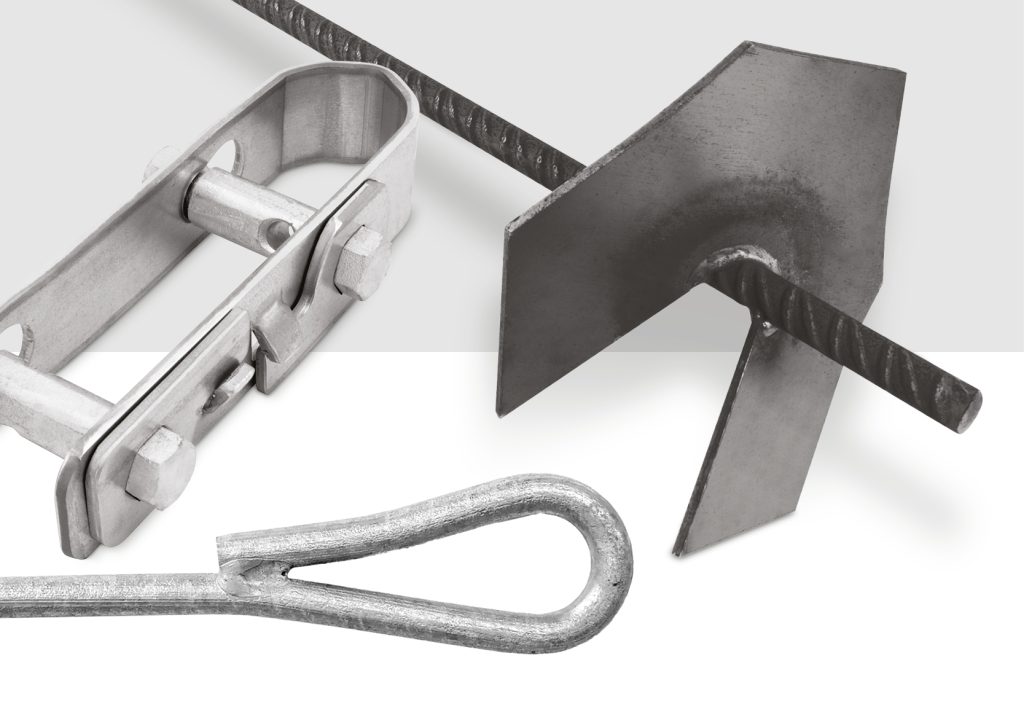
Anchors

We realize tensile structures that requires to be anchored to the ground to grant a permanent tension of the system.

We need therefore elements that, once set in the ground, are able to grant an adequate resistance and stability. They are of different shape and size, to suit the different types of structure and soil.

Cement plate + Rod

This type of anchorage consists of a rod and a reinforced concrete plate.

It is used when the soil has gravel or rock inside it or in the presence of extremely sandy soils.

Hexagonal anchors

The hexagonal anchors are not galvanized because steel thickness and rod diameter are so big to minimize any corrosion damage that might cause product destruction.

This type of anchoring is ideal for the creation of anti-hail, anti-rain or shading covering systems on terrain without gravel or rock.

Steel Wires and Ropes

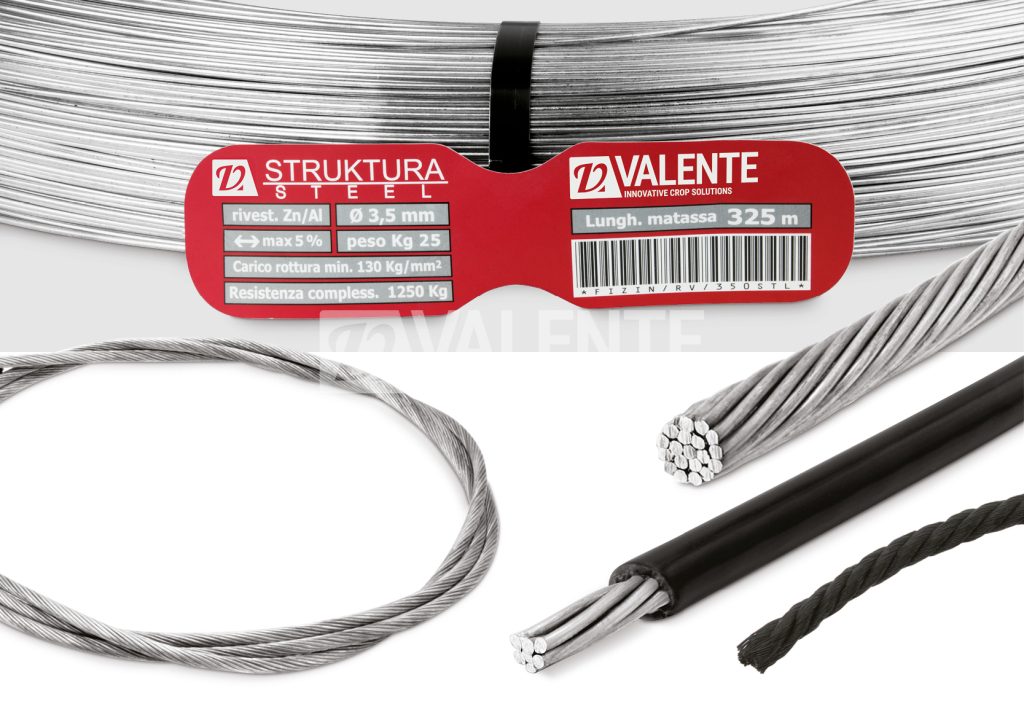
STRUKTURASTEEL Steel Wire

STRUKTURASTEEL steel wire is made of high-carbon steel (greater than 0.6%) coated with a zinc-aluminum alloy. It is drawn in diameters ranging from 1.60 to 4.00 mm and is used to connect all intermediate posts, providing support for plants and securing branches. It is also used to connect the ends of posts when covering them with a covering material, such as hail netting.

ROP STEEL CABLE

Cables are used to connect pile to anchor in systems with rear anchoring. Furthermore, they are used in anti-hail systems for longitudinal and transversal connection of piles, to stabilize the whole structure.

Cables, formed by intertwining wires, are highly flexible and easily adjustable to anchored parts.

Wires quantity depends on cable intended purpose and, consequently, desired resistance.

ROPSTEEL cable can also be supplied galvanized with a black plastic coating so that surface touching the net is perfectly smooth, avoiding net early wear due to brushing on cable.

A cut-to-size cable with slipknot has been created to ease installation operations and make them quicker and safer.

Small fruit: main insects

In small fruit crops such as strawberries, blueberries, blackberries, raspberries and currants, various insects can cause significant damage to both the plant and the fruit. Here are the main ones:

The spotted wing drosophila Drosophila suzukii (Diptera: Drosophilidae), native to Southeast Asia, appeared in Europe in 2008 in Spain and Italy, subsequently spreading throughout the continent. In Italy, D. suzukii spread from north to south and to the islands in just a few years.

The Nematus ribesii is a sawfly belonging to the Tenthredinidae family. It is known as a parasite of gooseberries.

The Anthonomus rubi, known as the strawberry or raspberry weevil, is a small curculionid beetle that causes damage particularly to the flower buds of these species.

The Frankliniella occidentalis affects several species, including strawberries, where it causes brown streaks and deformation of the petals and malformation of the fruit. In the most severe attacks, the flowers may abort and the fruit may show browning and blackening of the achenes.

Aphids on small fruits (strawberries, currants, raspberries, etc.)

The Chaetosiphon fragaefoli sucks the sap from strawberry plants. The leaves and fruits become sticky due to the honeydew secreted, on which sooty moulds grow. It is also an important vector of several viruses that affect strawberries (Crinke virus, Mild yellow-edge virus).

The Yellow currant aphid (Cryptomyzus ribis) causes blistering and false galls on the edges of the leaves, which turn a wine-red colour. This damage spreads rapidly to other plants, hindering the development of the

The Cochineal is a small insect similar to aphids that feeds on the sap of currant plants. The honeydew it secretes spreads disease and dirties the berries, reducing their value.

The whitefly belongs to the order Hemiptera. Whiteflies belong to the Aleurodidae family; they suck sap and vector certain viruses. The sugary liquid excreted by the nymphs promotes the appearance of fungi such as sooty mould (a black fungus that disfigures affected plants) on the leaves.

Leaf-eating moths (Lepidoptera): their larvae can damage leaves and compromise blueberry development. The most common are the blueberry bush moth, whose larvae feed on leaves and shoots, and the blueberry moth, which mainly attacks the fruit.

The presence of defoliating moths can be seen by the remains of buds and flowers hanging from thin silk threads.

Beetles and mining larvae can damage blueberries. Adult beetles, such as the Japanese beetle (Popillia japonica), feed on leaves and flowers, causing damage to blueberry production. Mining larvae dig tunnels inside the leaves, and adults feed on leaves and flowers, affecting production.

La rete anti insetto

La rete anti insetto è realizzata dalla tessitura di monofilo plastico e viene utilizzata per coprire e proteggere adeguatamente le colture dai danni causati dagli insetti, soprattutto la DROSOPHILA SUZUKI, la CARPOCAPSA e la CIMICE ASIATICA.

Il materiale utilizzato per la realizzazione delle reti anti insetto è il polietilene ad alta densità (HDPE). Il filo utilizzato è realizzato per estrusione, fondendo e facendo passare attraverso delle griglie forate (estrusori) la materia prima; successivamente viene termostabilizzato, ovvero viene riscaldato per far diminuire tutte le ritrazioni che normalmente presenta il materiale plastico esposto a fonti di calore anche modeste.

La rete antinsetto è realizzata lavorando il monofilo con una particolare tecnica chiamata tessitura a telaio: la maglia che si ottiene con questo tipo di lavorazione è di forma rettangolare di misura variabile ed è indeformabile, cioè le dimensioni non variano quando il telo anti insetto è sottoposto alle sollecitazioni.

Le reti anti insetto sono disponibili nelle seguenti dimensioni:
Rete ANTI-CARPOCAPSA: H 2,50 – 4,00 – 4,60
Rete ANTI-SUZUKI: H 2,00 – 2,50 – 3,00

Anti-hail net

Anti-hail net is manufactured weaving a plastic monofilament and is used to cover and properly protect crops from damages caused by hail.

Net must be installed and fixed on special structures to provide total protection from bad weather, still maintaining a minimum elasticity to avoid premature material wear.

Material used to make the net is high-density polyethylene (HDPE). Wire used is made by extrusion, melting and passing raw material through perforated grids (extruders); subsequently it is thermostabilized, that is to say heated to reduce all retractions that plastic material exposed to even modest heat sources normally presents.

Anti-hail net is made manufacturing monofilament with a particular technique called “loom weaving”; obtained mesh has a rectangular 2.8 x 8 mm shape and is non-deformable, meaning dimensions don’t change when subjected to hail load.

 Net weaving is “Leno weaving”, so mono-wire is woven into weft and warp threads.

Anti-hail net is certified and designed for long-lasting performance. Documentation is provided at purchase.

Kiwi: main insects

Actinidia (kiwi) cultivation can be threatened by various phytophagous insects, some of which cause direct damage to the fruit, while others weaken the plant, making it more vulnerable to disease. Here are the main ones:

Argyrotaenia pulchellana (Eulia) is a polyphagous leaf-rolling moth that feeds on the leaves, flowers and fruit of numerous herbaceous and arboreal plants, both cultivated and wild.

Metcalfa pruinosa is a homopteran insect belonging to the Flatida family. It can attack kiwifruit, sucking sap and producing white waxy secretions, expelling the sugary part as honeydew and causing the development of sooty moulds, which facilitate the growth of harmful fungi that cover the leaves and fruit with a black coating, reducing photosynthesis and growth.

Pseudaulacaspis pentagona (white scale insect) can cause damage by piercing the shoots of actinidia, causing stress and weakening the plant. In the most serious cases, the branches dry out and fruiting is compromised. Affected fruit develop a reddish halo around the follicles, causing serious economic damage, as they cannot be sold or exported.

Empoasca vitis (green leafhopper) pierces the leaves of actinidia, altering lymphatic flow and transpiration and causing yellowing that rapidly spreads from newly formed leaves to older ones. Necrosis begins at the edges of the leaves, which then fall off, causing a reduction in photosynthesis.

Panonychus ulmi (red spider mite) can infest kiwifruit in hot, dry weather conditions. Repeated bites from the mites reduce the functionality of the foliage, causing leaf discolouration, premature leaf fall and general weakening of the affected plants.

Autographa gamma: The larvae of these lepidoptera can cause significant damage to actinidia plants as they feed on leaves and shoots, the loss of which reduces and may affect photosynthetic capacity, leading to a subsequent reduction in fruit production and quality.

Halyomorpha halys is an extremely polyphagous species that also affects actinidia plants. In spring, the adults colonise the plants, feed and lay their eggs. The larvae, which go through several stages of development, also feed on the sap of the plants and fruits, causing them to fall and become deformed, thus compromising their marketability.

Cherry deseases

THE MAIN DISEASES AFFECTING CHERRY TREES – PRUNUS AVIUM

MONILIA DISEASE OF THE CHERRY TREE

Monilia is one of the most widespread and easily recognisable diseases affecting cherry trees. It is caused by two different parasites, called Monilia laxa and Monilia fruttigena, which thrive in particularly damp soil and when the plant is not pruned and disinfected correctly.

The most dangerous period is spring, when temperatures begin to rise and irrigation may be more abundant, with a higher risk of liquid accumulation and stagnation, which causes the fungus to proliferate.

It is easy to recognise when the leaves, flowers or fruits suddenly become darker, as if covered with a thick, compact layer of grey mould, which tends to rot them from the outside inwards and cause them to fall off.

The branches appear dry, with cracks that are an indication of the disease, inside which spores proliferate and where other variants of different bacteria can also insidiously develop.

CORINEO DISEASE OF THE CHERRY TREE

Corineo is also commonly referred to as shot -hole disease, precisely to emphasise how the disease manifests itself with small spots that tend to affect every part of the plant, starting with the leaves.

The characteristic colour of these anomalies is a reddish-purple that forms a distinctive halo that spreads across the entire surface, causing the leaf or fruit to fall and die.

The disease can also be recognised by the small holes that form inside the halo, as well as on the branches near the buds, which are unable to blossom and therefore transform.

The cherries also show encrustations that are difficult to remove and prevent the fruit from being edible.

This is another fungal disease that occurs mainly in spring, when the temperature is very humid and the spores find fertile ground for proliferation.

BACTERIA CANCER OF THE CHERRY TREE

The name sounds rather threatening, and indeed this is one of the most dangerous diseases that can affect this variety.

In this case, it is not caused by a fungus but by a bacterium, which likes to nestle in various types of stone fruit and lead to their premature death, first drying out the branches at the ends and then reaching the heart of the tree and its roots.

The symptoms of bacterial cancer are dark spots that appear irregularly on the leaves, with lighter, blurred halos and necrotic parts on woody areas such as branches and the trunk.

THE ROTTEN CHERRY TREE

Rottenness is one of the most common diseases affecting cherry trees and is caused by a number of factors.

The first factor is excessive irrigation of soil that is already very moist, which causes puddles and waterlogging, leading to the deterioration of the roots as they extend upwards.

The second factor is certain types of fungi, which manifest themselves in this way and must therefore be treated with sulphur-based products and other antibacterial and antiseptic agents. One of the fungi that most affects cherry trees in the Vignola area and is already present in Puglia is Armillaria mellea, a fungus that appears on the roots with a whitish colouring that can lead to the death of the plants. This is more prevalent in soils where cherry trees have been cultivated for a long time.


To prevent this phenomenon, it is therefore advisable to pay attention to soil preparation, adjusting watering according to weather conditions and pruning dry and diseased parts tactically to prevent them from damaging the fruit.

LEAF SPOT DISEASE OF THE CHERRY TREE

Also known as leaf blight, this disease tends to occur mainly in summer and is caused not by a lack of water, as one might mistakenly think, but by a fungus called Gnomonia erythrostoma.

This misunderstanding often leads to delayed action, but it is possible to recognise the difference by noticing yellow patches with a red halo around them, which tends to darken when the necrosis is already at an advanced stage.

The dry leaf tends to fall off, leaving the plant bare.

As with any other infection of this kind, the key is to use a sulphur-based product or the classic copper sulphate to stop the spores from spreading, taking care to remove any damaged parts that are beyond repair and will only encourage the disease to spread.

LEAF-RUST DISEASE OF THE CHERRY TREE

Similar to the previous disease in terms of symptoms, this disease manifests itself with brownish spots mainly on the upper side of the leaf, which gradually darkens until it dies and falls off.

The disease then spreads to the branches, preventing the buds from blooming and thus preventing fruit formation.

The white pustules that accompany this condition can be defeated with a copper-based spray, which is disinfectant and antifungal, combined with a sulphur component for a stronger action.

BLACK APHIDS ON THE CHERRY TREE

This is a disease that can be easily recognised, as it develops following infestation by small black insects that are visible to the naked eye.

These insects bite the shoots of cherry trees and other fruit trees, depositing a large number of other young aphids that do the same thing.

The tree will die quickly if immediate action is not taken, resulting in small, deformed and inedible cherries.

The only solution is to use a specific insecticide or have the tree professionally treated by a pest control expert.

Cherry: main insects

In cherry orchards, various insects can compromise the quality and yield of cherries. Here are the main pests to watch out for:

  • Spotted wing drosophila (Drosophila suzukii): attacks ripe fruit, laying eggs and causing damage similar to that caused by cherry fruit flies.
  • Cherry fruit fly (Rhagoletis cerasi): lays eggs in the fruit, and the larvae that emerge feed on the pulp, causing rot and turning the fruit unsuitable for sale.
  • Aphids (especially Myzus cerasi): feed on the sap of leaves and shoots, causing deformities and sticky secretions (honeydew) that can cause mould to develop.
  • Cydia funebrana and Cydia molesta: two species of moths, known respectively as the plum moth and the oriental peach moth. Cydia funebrana is a moth that mainly attacks plum trees, but can also affect other stone fruits. The Cydia molesta moth is considered one of the most harmful pests for fruit trees in Emilia-Romagna.
  • Cochineals: these scale insects are parasites that feed on sap, causing stunted growth, yellowing of leaves and defoliation. They are covered with waxy secretions and come in several types: “powdery”, “soft” and “armoured”.
  • Thrips (Thysanoptera family): attack flowers and fruit, deforming them and causing phylloptosis or even compromising flowering and fruiting.
  • Asian bug: although not specific to cherry trees, the Asian bug can damage fruit by piercing it and sucking out the sap, causing deformities and bruising.
  • Peach twig borer (Anarsia lineatella): this is a moth belonging to the Gelechiidae family. Its larvae initially settle in the shoots and then in the fruit. It mainly affects peach trees but also settles on other stone fruits (apricot trees, etc.).

Rainproof film

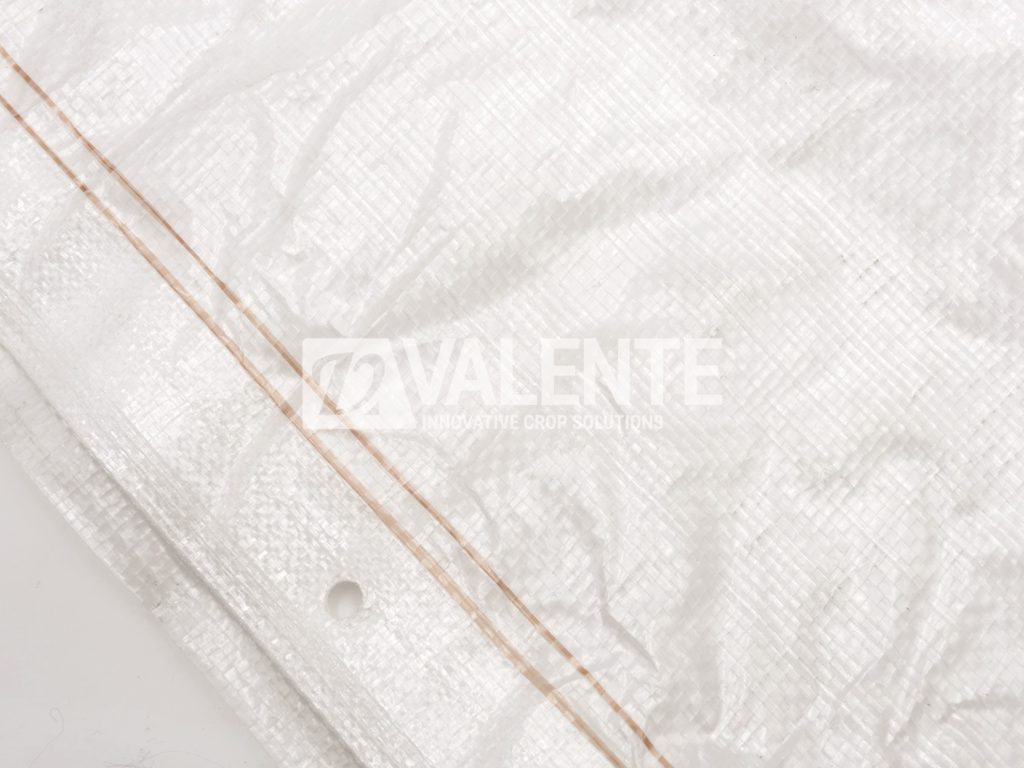
The rainproof film is a raffia fabric plastic-coated on one side and is used to cover and adequately protect crops from damage caused by rain.

Through a patented welding process, reinforced side selvedges (triple layer of fabric) are applied, essential for secure attachment to the structure; the entire film is waterproof, has considerable mechanical strength and tear resistance.

In addition, perforations are made along the edge of the film so that hooks or carabiners can be inserted to secure it to the structure.

The technical characteristics of the rainproof film are as follows:

  • a fabric with high mechanical resistance, with lateral reinforcements providing high tensile strength
  • a ‘diffused light’ effect thanks to the different layers that make up the fabric
  • a fabric with excellent protection against temperature fluctuations and cooling properties during the summer, even capable of regulating the temperature inside the structure for a balanced climate all year round
  • a fabric that also acts as a wind barrier, reducing fruit damage
  • protection from humidity, reducing the risk of fruit cracking (cracking effect)

Automated opening

Valente offers a quick and automatic system that allows rain covers to be opened and closed like an umbrella, for optimal cherry orchard management.

This innovative technology, installed exclusively on the Multishield structure, offers great advantages and represents a complete, effective, flexible and safe solution for farmers to protect their crops.

The particular arrangement of the Multishield system's covers allows the operator to slide them along the frame of the structure, so that they can be opened and closed as needed, with the great advantage of allowing the plants to grow in normal conditions for most of the time, covering them only when necessary, i.e. when there is a real risk of rain, thus promoting the best development.

The Valente system makes this operation quick and effective, allowing a single worker to close or open the cover much faster than manual systems.

Peach and apricot: main insects

Peach and apricot orchards are susceptible to various harmful insects that can compromise the quality and quantity of the harvest.

On peach trees, damage is mostly during harvest time; attacks during flowering and fruit set only happen in protected crops, while they are rare for open field crops. The damage is only cosmetic and shows up as discolouration of the skin, mostly on nectarine cultivars, where it can seriously depreciate the product.

Insects

  • The oriental moth (Cydia molesta), also known as the oriental peach moth, is a lepidopteran that mainly infests stone fruits (peaches, apricots, plums, cherries) and, to a lesser extent, pome fruits (apples, pears). The larvae of this insect dig tunnels in shoots and fruits, causing deformities and rot.
  • The peach twig borer (Anarsia lineatella) belongs to the order Lepidoptera. It mainly damages peach trees, but also apricot, plum and almond trees. The larvae of this moth burrow into young branches and fruit, causing the shoots to wither and the fruit to become deformed.
  • The fruit fly (Ceratitis capitata), also known as the Mediterranean fruit fly, is a harmful pest for many fruit crops. Adult females lay their eggs inside ripening fruit and the larvae feed on the fruit pulp, digging tunnels that favour the development of mould and bacteria.
  • Aphids feed on plant sap, weakening plants and deforming leaves and shoots. Although they do not attack ripe fruit, they weaken the plant, which produces smaller and damaged fruit. They can also be vectors of viral diseases.
  • Scale insects attack peach and apricot trees, weakening the plants. White peach scale insect: found on leaves, fruit and branches. Affected fruit has a reddish halo around the follicles. San Jose scale: causes reddish spots with a dark centre and forms encrustations on branches. Cotton scale: damages branches and causes yellowing of leaves. The honeydew they produce causes the development of sooty moulds that smear the fruit, making it unmarketable.
  • Thrips cause damage to the fruit and leaves of peach and apricot trees. The punctures on the fruit cause deformation and cracking, while on the flowers they cause dripping and can induce fruit drop, as well as causing necrosis and deformation of the leaves.
  • Yellow and red woodworms attack peach and apricot trees, digging tunnels in the branches and trunk, weakening the plants and making them susceptible to breakage and secondary infections. The yellow woodworm (Zeuzera pyrina) is characterised by the yellowish colour of its larva, which burrows tunnels in the branches and trunk, causing the shoots to dry out and, in severe cases, causing the branches to break and making them susceptible to fungal attacks.

Is it necessary to cover the orchard?

The use of orchard coverings, now common practice for most crops grown using modern farming methods, actually has a fairly recent history. In the 1960s, when our company entered the market with the production of pre-stressed reinforced concrete poles, the idea of covering orchards was certainly not a priority for farmers, but, as is now clear, many things have changed in just over 60 years.

Starting in the 1980s, besides hail protection, other needs emerged such as protection from insects, rain, wind and sun.

Thanks to the experience we've gained over the years, two other new aspects have emerged that are proving to be fundamental.

The first is that these coverings, in addition to fulfilling their specific functions, can actually be multifunctional, i.e. capable of performing multiple tasks and offering different types of protection.

The second is that coverings also guarantee a better microclimate for crops in various ways, creating a more favourable environment for plant growth and increasing fruit productivity and quality.

Scientific literature on this subject is now quite extensive and, although necessary distinctions must be made regarding the type of coverings, cultivation and characteristics of different territories, it agrees on confirming the benefits in relation to the following parameters.

  • Temperature:
    • Coverings help maintain a more stable temperature in the environment below, reducing extreme fluctuations.
    • During the summer months, the temperature under the coverings is lower than in uncovered areas, which helps reduce heat stress on plants.
    •  Conversely, during the winter months (especially the coldest ones), the temperature under the tensile structures tends to be higher than in the open air, thanks in part to their protection from the wind.
  • Humidity:
    •  The relative humidity under the coverings is slightly higher than in uncovered areas, favoring a more humid microclimate that has proven beneficial for crops.
    • o his increase in humidity helps reduce transpiration and water loss from plants, improving water use efficiency and promoting root growth.
  • Light:
    • Coverings reduce direct light intensity by filtering sunlight and distributing it more evenly.
    • This leads to a reduction in sunburn on fruit and better use of photosynthetic light, which is essential for plant growth.
  • Fruit Productivity and Quality:
    • Coverings help improve fruit quality by reducing physical damage caused by hail
    • In addition, fruit harvested under coverings shows greater uniformity in terms of size and ripeness and a higher overall yield

These are vital benefits, especially when we consider that the environmental situation is continuing to evolve and become more complicated, with mild winters and late frosts, concentrated and more intense rainfall, frequent hailstorms, excessive wind and sunlight, and an increase in alien pathogens.

This scenario leads to one conclusion: fruit growing without orchard covering systems is now unimaginable.

Obviously, there are different types of solutions, from traditional anti-hail systems to multifunctional ones complete with insect nets, single-wire or monobloc systems with different levels of automation, but all of them have a positive impact. Despite representing a significant initial investment, they bring long-term benefits in terms of improved quality and quantity of production that more than justify the costs.

The main insects

In apple and pear orchards, various insects and fungi can cause significant damage to both the plants and the fruit. Here are the main ones:

Apple tree

  • Codling moth (Cydia pomonella), also known as the “apple worm”, mainly attacks pome fruits (apple and pear trees) but also causes damage to other fruit trees (peach trees, etc.). The larva burrows into the fruit, causing it to rot. If left untreated, it causes very serious damage to production.
  • Aphids (Aphis pomi, etc.). Apple and pear aphids belong to the species Aphis pomi (green apple aphid). Aphids feed on sap, causing leaves and young shoots to curl. Severe attacks can compromise growth and fruit production, especially on young plants.
  • Tortricidae (Pandemis heparana, Adoxophyes orana): this is a moth known as the green apple leaf roller, which has two generations per year and overwinters as a larva in the bark at the end of the second generation. They attack vegetation and fruit, damaging them.
  • Red spider mite: Panonychus ulmi (red spider mite) attacks pome fruits and other fruit species. It bites the foliage, causing discolouration and premature leaf fall and weakening the affected plants.


Pear Tree

  • Psilla (Cacopsylla pyri). A scale insect that sucks the sap from leaves and shoots, causing deformities that compromise the plant. It can cause phylloptosis and flower death. Psyllids also produce honeydew, which promotes the development of sticky sooty moulds that cover the plant's organs. It is characterised by a high reproductive capacity (several generations per year and lays over 500 eggs at a time).
  • Aphids: Small insects that suck sap, weakening the plant and promoting the spread of disease.
  • Hornworm (Hoplocampa testudinea): The larvae of this insect attack developing fruit, causing damage similar to that of the codling moth.
  • Cecidomia: a dipteran (fly) that causes galls to form on leaves and fruit, compromising their marketability.
  • Asian bug: an insect recently introduced into our environment that attacks many species of fruit. It causes severe damage to pear trees by stinging and deforming the fruit, which is then no longer marketable. Having been introduced from Asia, it has no effective predators that can control its development in our environment.
  • Drosophila suzukii: pome fruits are not its primary hosts, but its larvae can penetrate the fruit, damaging it and affecting its marketability.


Mushrooms

The most common fungal diseases affecting apples and pears are:

  • Scab: scab (Venturia inaequalis and Venturia pirina) causes spots on leaves and fruit, deforming them and compromising their quality and, consequently, their marketability.
  • Powdery mildew: powdery mildew (white mould), caused by Podosphaera leucotricha, affects leaves, flowers and fruit. Infected flower buds turn silvery-white and hatch later than healthy ones. The petals appear distorted of a pale green colour. The flowers appear crumpled and do not produce fruit.
  • Branch canker: (Neonectria galligena): produces depressed marks on the bark, which develop into cankers with cracking and necrosis. The plant reacts by healing the lesion, but the healing tissue is also attacked, forming open cankers that expose the woody tissue.
  • Rot in pome fruits: moniliosis and pink rot are fungal diseases that affect apples, pears and other fruits. Moniliosis, caused by Monilia fructigena, causes fruit rot, cankers on branches and desiccation of flowers and shoots. Pink rot (Trichothecium roseum) causes grey-brown spots that can affect the flesh of the fruit.
  • Brown spot of pear trees (Stemphylium vesicarium) causes brown necrotic spots on leaves, fruit and shoots, with serious damage and rot. The most important cultivars are particularly vulnerable (Abate Fétel, Conference, Decana del Comizio, Kaiser, etc.).
  • Gummosis (Cytospora spp.) is a fungus that affects pome fruits, causing lesions on the bark, resinous discharge and necrosis of the bark. It mainly affects weak or stressed trees.
  • Valsa ceratosperma: causes cankers similar to those of branch canker, with swelling of the bark and blackish spots. It occurs on branches, twigs and trunks with cankers that create cracks and a clear separation between healthy and diseased parts. When the canker has surrounded the affected part, the distal part dies and if this occurs in the lower part of the trunk, the plant is compromised.
  • Peach leaf curl (Taphrina spp.): normally found on peach trees but it can also be found on apple trees; it damages the foliage.

Prestressed Reinforced Concrete poles

Prestressed Reinforced Concrete poles are made using pre-tensioning technique, which ensures a greater mechanical resistance.

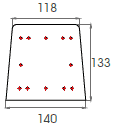
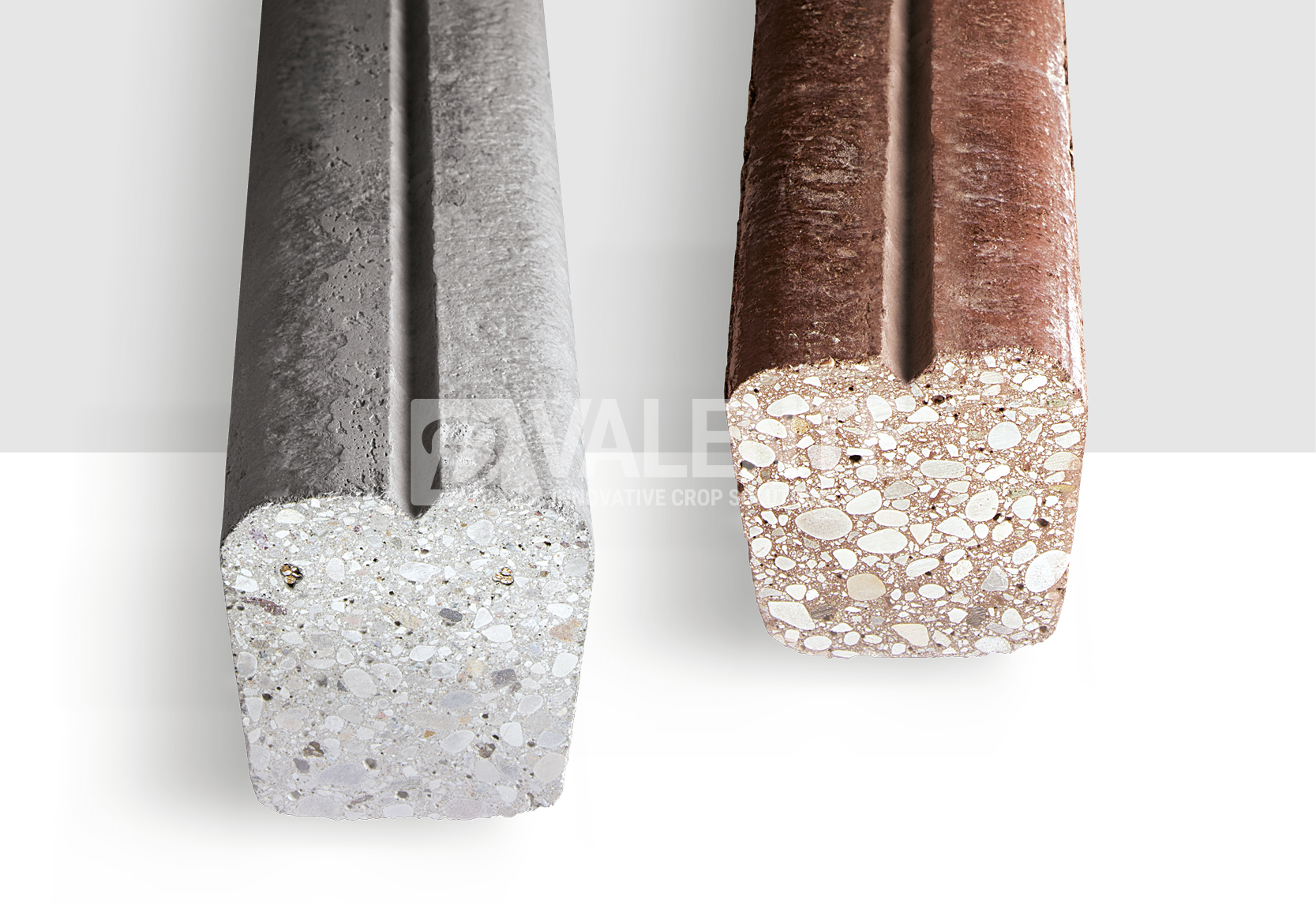
Valente pole has a trapezoidal shape with four smooth sides and no edges, so not to wear hail nets out in orchard installations. Our trademark is on the front: V for Valente!

Valente pre-stressed cement piles are realized with the wize combination of two fundamental components: concrete (natural gravel and sand mixed with PORTLAND 525 cement) and the high carbon content steel braid with low relaxation (made of two or three braided wires with a diameter of 2.25 mm).

The quality of Valente poles are guaranteed by DNV through Product Quality Certificate.

The poles are available in the KLASSIC version in grey or brown and in 9 sections, with heights from 2 m to 5.8 m.